
Is Vodka Gluten Free?
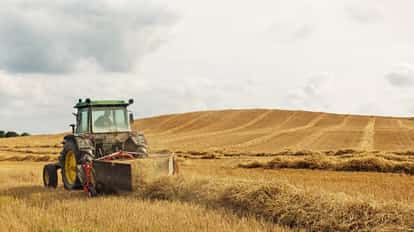
While many people associate vodka with potatoes, it’s commonly made from wheat and rye – grains that contain gluten. For many foods or drinks, that would be the end of the discussion. But thanks to the distillation process, there’s a bit more to explore as to whether vodka is gluten-free or not.
So, slide up a chair and join us as we unbottle the truth and explore vodka’s relationship with gluten and whether it’s gluten-free.
Gluten 101: Understanding Gluten
Before we begin breaking down vodka’s relationship with gluten, it’s worth diving into gluten itself. You hear the term gluten everywhere – but it’s okay if you’re not certain what it is.
You can think of gluten as a “binder” – it’s what helps dough hold its shape and gives bread that elasticity. It’s a family of stretchy, glue-like proteins found in many grains – a lot of them common. These include:
- Wheat, which is an essential component in bread, pasta, cereal, and salad dressing.
- Rye, which is also a key ingredient in bread, beer, and cereal.
- Barley, often found in beer, certain yeasts, soup, food coloring and even malt.
Gluten insensitivity and celiac disease
Across time and place, gluten-rich foods have formed a key part of our diets and eating habits. Yet, according to research, almost 18 million Americans are gluten-sensitive in some form. That’s a lot of people with gluten intolerance, sensitivity, or celiac disease.
Common symptoms of gluten intolerance can include:
- Brain fog
- Bloating
- Gas
- Diarrhea
- Constipation
- Nausea
- Headaches and more.
Celiac disease is classified as a chronic autoimmune condition. Only 30% of people are accurately diagnosed, and it impacts one-in-100 people. While symptoms vary between people, it’s caused by an immune response in which the body attacks the small intestine. This means that nutrients can’t be absorbed into the body and can result in a whole host of issues.
It’s generally advised that those with celiac disease avoid gluten altogether, while people with gluten sensitivity reduce their consumption.
From Grain to Glass: How Gluten Affects Vodka Production
Initial Ingredients: What Goes In
Vodka can be derived from a range of different ingredients – including potatoes, wheat or barley. While potatoes are more traditional, wheat and barley are more common base ingredients (and they contain gluten). Sometimes, vodka may even be made from rice, grapes or corn.
- Regardless of the base ingredient used, they are combined with water and heated.
- Then, yeast is added to help the fermentation process.
- During the fermentation process, sugar is converted into alcohol.
Ingredients go in, vodka comes out – although things get a little tricky here. During the process, properties change, and thanks to distillation, some characteristics of the ingredients are left behind or altered.
Distillation: The Molecular Bouncer
Alcohol has a lower boiling point than water – and distillation is the act of purifying a liquid by heating it. That’s the magic behind how alcohol is separated from water.
Glutens have their own properties too – they’re heavy, relatively speaking. So heavy, in fact, they sink to the bottom of the waste liquid rather than combining with alcohol. Even if they come from gluten ingredients, you could consider distilled spirits as gluten-free.
But the story doesn’t end at gluten and vodka – don’t worry, we’ll spill what happens after.
After the Still: Flavoring, Filtering, and Bottling
Once distillation’s done, many vodka manufacturers choose to spice things up by introducing additional ingredients. That could be fruit, natural botanicals, flavorings, herbs, peels and spices. While these are usually gluten-free, there may be an outside chance of cross-contamination in facilities that handle products that contain gluten.
What the Experts Say: Regulations and Research
Thanks to the distillation process, many vodkas could be classified as gluten-free – but don’t just take our word for it. Guidance from the U.S. Food and Drug Administration recognizes that distillation effectively removes gluten. The 2020 ruling does note that it’s unlikely gluten will remain in the spirit after distillation, depending on the effectiveness of a manufacturer’s distillation process.
Likewise, the Alcohol and Tobacco Tax and Trade Bureau (TTB) also allow a gluten-free label for spirits distilled from grains containing gluten.
Internationally, gluten-free claims and labelling can vary. In the EU, all vodkas are gluten-free as standard and won’t be labelled as such. In Canada, there are strict guidelines regarding protein levels and processing requirements.
If you’re trying vodka outside the U.S. or ordering from international sources, you should check the gluten-free requirements of that country and product.
The Gluten Status of Different Vodkas
Not every form of vodka has the same gluten status, depending on the distillation process and ingredients added. Let’s break things down:
Traditional Grain Vodkas: Yes, Even Wheat
Standard, modern, grain vodkas such as those made with wheat, barley or rye can be considered gluten-free due to filtering during distillation. However, flavored vodkas may contain some amounts of gluten due to additives, colorings or cross-contamination.
Many people won’t want to risk drinking vodka that could contain gluten, but there are alternatives available that do not contain gluten in their manufacturing process at all.
Naturally Gluten-Free Base Vodkas
There is a range of gluten-free vodkas made from alternative ingredients:
- Potato. Despite grains being more commonly used, potato vodka is a traditional ingredient, a key part of vodka’s history. It’s smooth to the taste, with a creamy texture.
- Grape. When we think about grape-based alcohol, wine is the first thing that comes to mind. However, grape vodka is also used in vodka distillation and gives the spirit a soft, subtle fruitiness.
- Corn. Often a good choice for a base cocktail spirit, corn produces light, sweet, and clean-tasting vodka.
- Rice. You might be surprised, but fermented rice produces an exceptionally smooth, subtly sweet-tasting vodka that’s gluten-free – often found in Japanese vodkas.
Flavored Vodkas: Where Things Get Interesting
Not every type of flavored vodka is made the same, and this can lead to wildly different results. Generally, there are two ways to add flavor to vodka:
- Steeping. Steeping – or infusing – is where an ingredient, such as fruit, is soaked in the vodka. The alcohol extracts the flavors, aroma and even the color. This gives the vodka a natural flavor.
- Extracts. Rather than steeping, some vodkas have their taste altered by adding concentrated extracts to speed up production. Sometimes, extracts can contain gluten.
That means flavored vodkas may contain gluten (regardless of distillation). You can always check the specific product to determine if it’s gluten-free or not.
Despite sharing similarities, Vodka can be very different from manufacturer to manufacturer. Learn more about carbs, sugars, and calories in vodka.
Absolut Vodka and Gluten: The Complete Picture
At Absolut Vodka, we source everything from Southern Sweden – even the water we use to distill. We pull everything from one source, in one community. That means, from Europe to the U.S. (or wherever your travels take you), Absolut Vodka always has the quality you’ve learned to love and expect.
You can be certain that Absolut Origin and Absolut Flavors are gluten-free in every bottle.
Real Talk for Gluten-Sensitive Vodka Drinkers
Everyone has their own relationship and challenges with gluten, and whether you decide to drink it should be based on your sensitivity to it. If you’ve got questions or concerns, you should always contact a healthcare professional first.
As with any food or drink products, you need to assess the risk of cross-contamination – especially at bars or clubs that handle gluten products.
Always check the label to get the lowdown on production methods, visit their online platforms or contact them directly.
VODKA BASICS

Types of Vodka: A Complete Guide to Vodka Varieties
Jul 28, 2026
Read more
Understanding Vodka Alcohol Content
Jul 28, 2026
Read more
What is Vodka made from
Jul 28, 2026
Read moreVODKA BASICS
History of Vodka
Jul 22, 2026
Read more
Vodka Flavors – From Neutral Spirit to Flavorful Creations
Jul 23, 2026
Read more
How to Prepare Vodka
Jul 23, 2026
Read more