

What is Vodka made from?
The vodka production process involves distillation using fermented products such as grains like wheat or rye. Other options can include potatoes, sugar beets, grapes, or other starchy or sugary raw materials.
You might associate vodka with neutral flavor, but the source ingredient will have a subtle impact on how the spirit tastes and feels in the mouth. For instance, while vodka made from potatoes can be quite nutty and earthy, vodka distilled from wheat is often described as softer and slightly sweet with a smooth, creamy texture.
The quality of the water used in making vodka also plays a key role in its overall taste. Water accounts for around 60% of the composition, so even the smallest difference in minerality can impact flavor.
Additionally, some vodka makers include additives when manufacturing their products, like sugars, glycerin or citric acid to help create the ideal flavor, balance or texture.
Each sip of vodka has its own story of production. Vodka makers like Absolut carefully select each ingredient and utilize them with precise production methods, resulting in a versatile product that can be enjoyed neat, on the rocks, or in a wide range of cocktails.
Continue reading this informative guide to learn about what vodka is made from, and how each ingredient and step contributes to the unique flavors and characteristics of this iconic liquor.
Jump to:
- How Vodka is Made (Step-by-Step)
- What is Vodka Distilled From? Common Ingredients
- What is Absolut Vodka Made From?
- Why Base Ingredients Matter in Vodka
How Vodka is Made (Step-by-Step)
Deepening your understanding of what vodka is made from and the production process behind it will no doubt boost your appreciation for this much-loved spirit.
Let’s take a look at the vodka production process, from first fermentation to store-ready bottle:
Step 1 – Fermentation: From Potatoes to Mash
The base ingredient chosen for vodka production provides the source of sugar and is fermented into alcohol. Potato tends to be the most common choice, but the main raw ingredients that vodka is made from include a blend of cereal grains like wheat, sorghum, or rye.
There are many different variations of vodka depending on this initial fermented ingredient. In this early phase of the vodka production process, there are two key steps– saccharification and fermentation.
Let’s learn more:
Saccharification
Base ingredients like potatoes and grains are combined with hot water, creating a mash.
Enzymes, typically extracted from malt grains like barley, are added into the mix.
These enzymes convert complex starches into sugars that can be fermented.
Fermentation
Yeast is then mixed into the mash.
This yeast consumes the sugars in a basic process of anaerobic fermentation.
The yeast produces ethanol (alcohol) as a by-product.
Step 2 – Vodka Distillation – A Process of Purity
Purifying the fermented liquid is the next step in how vodka is made. This step is called distillation, which separates or ‘washes’ the liquid to leave purified vodka. The step also plays a key role in the vodka’s resulting alcohol content.
- The liquid (or ‘wash’) is heated up, which causes the alcohol to vaporize.
- It cools down and reverts back into liquid form.
- Condensation occurs and the vapor is separated from the liquid.
- The end product is a purer spirit, as the heating process removes impurities like methanol from the clean spirit. It also means the resulting liquid has a higher alcohol level.
Careful distillation is a vital part of how Absolut vodka is made. We perform this step continuously to ensure we create a high-quality spirit. This process was first taken on by the Absolut founder L.O. Smith in Sweden. It involves distilling the liquor repeatedly to get the best result, instead of the usual three or four times that many vodka makers perform.
It’s required by law for vodka to be a specific strength after distillation. This is 96% in the US, and 95% in the EU.
Step 3 – Vodka filtration – Fine-Tuning Flavor
For many vodka makers, filtration is a last step in the production process. This step plays a key role in the clarity and flavor of the end vodka product. The process of filtration seeks to get rid of any impurities present in the vodka, passing through materials such as activated charcoal, quartz or sand.
The materials used have a direct impact on how much is absorbed and therefore key features like taste, smell, and clarity. Different manufacturers will have different approach to filtration, which is what gives us the range of flavors, textures and overall drinking experiences across different brands.
Filtration methods have adapted over the course of vodka’s rich history. Charcoal filtration is known for being one of the first techniques utilized for this process in 18th century Russia. Carbon filtration was then later introduced, initiating the production of double-purified vodkas.
With time and technological advancements, these filtration methods have been refined to improve the quality of vodka and the way it’s made. However, ongoing testing and innovation continue to evolve and elevate the vodka distillation process, helping to create vodka that only increases in purity levels.
Step 4 – Dilution and Bottling
The dilution process is another vital step. It adds purified water to the distilled, filtered spirit, reducing the spirit’s alcohol volume (ABV) to around 40-50%. This is the region that many people have come to expect from vodka and other spirits. The amount of water added impacts the vodka’s strength and texture. Also, the type of water, and its properties, also have an effect on the final drinking experience.
What is Vodka Distilled From?
The main ingredients used in vodka distillation can vary between countries, processes and manufacturers. Almost any grains, fruits or vegetables that are high in starch and sugars can be used, but common main ingredients include potatoes, sugar beet molasses, and a range of grains.
Let’s look at these core ingredients more closely:
Potato Vodkas
Potato-based vodkas are renowned for their distinctive texture and flavor profiles, especially when compared with spirits distilled from grain.
Potatoes have a high starch content, which makes them easier to convert into sugar and therefore alcohol. Despite their legendary status in vodka production, the data suggests that less than one in every 30 vodkas sold worldwide is actually made from potatoes.
Grain-Based Vodkas
Nowadays, vodka is mostly made from grains, including wheat, corn, rye, and barley. These all impart their own flavor and aromatic notes, giving them a character all of their own.
Other Ingredients Used for Vodka
Grains like wheat and rye might currently be the most common bases for the production of vodka, but there’s a big selection to choose from:
- More exotic grains like quinoa or buckwheat
- Sugar cane
- Fruit such as grapes or apples
- Olives
- Whey
- Rice
- Natural high-sugar liquids like maple sap or honey
Why Base Ingredients Matter in Vodka
Although vodka is known for its neutral flavor overall, the base ingredient itself will make its mark on the resulting liquor in terms of aroma, taste and texture.
For instance:
- Potatoes provide earthier flavors with a nutty edge, hinting at the land they were grown in
- Wheat is often smoother and lighter in the mouth, with notes of baked bread
- Corn creates vodkas with a deeper, richer taste
- Barley vodkas are crisp and clean in taste, with notes of cereal
- Fruits give a smooth, nuanced character
As you can see, different base ingredients create a range of vodka ‘personalities’, even down to texture. These variations even go down to the molecular level: for example, wheat-based vodkas have different chemical compositions to potato-based vodkas.
What is Absolut Vodka Made From?
Absolut vodka is made from Swedish winter wheat, along with the highest quality of water sourced from local wells that reach down as far as 176 meters deep. Our vodka is produced and bottled in Åhus, a small village located in southern Sweden.
Absolut vodka is distilled using traditions and knowledge handed down through generations of local farmers and distillers.
Want to learn more about how different ingredients influence vodka profiles? Check out our guide on the various types of vodka.
VODKA AND NUTRITION

Does Vodka Have Carbs?
Jul 28, 2026
Read more
Does Vodka Have Sugar?
Aug 12, 2026
Read more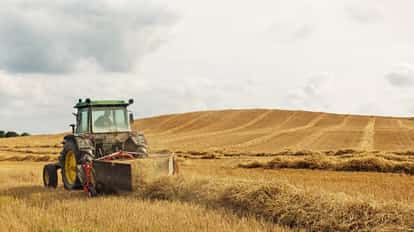
Is Vodka Gluten Free?
Jul 29, 2026
Read more