
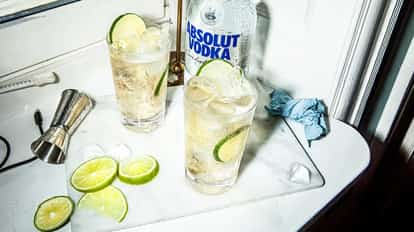
How to Prepare Vodka: From Tradition to Table
Vodka provides a clean, neutral and versatile base to some of the world’s great cocktail recipes.
But the balanced, crisp flavor and distinctive mouthfeel of a good vodka mean it stands up all on its own, sipped neat and cool, the world over.
In this guide, we’ll talk through the nuances and traditions of drinking and preparing vodka, both straight and in a cocktail.
It’s a blank canvas, but never a bland one.
The Traditional Way: Vodka’s Cultural Roots
Today, the idea of vodka might conjure cocktail bars and nightclubs, Cosmopolitans, Martinis, and Bloody Marys.
But vodka has a long, storied history dating back centuries in Russia, Eastern Europe and the Nordics – the so-called Vodka Belt – where it was (and is still) often enjoyed:
- Served neat in shot glasses
- Chilled but never diluted
- Alongside food – particularly alongside small bites of food called zakusi
Traditionally, Vodka was seen as a “people’s drink”, favored by workers and peasants, while wealthier drinkers may have preferred imported wines and spirits.
Food, toasting and hospitality were key to traditional vodka culture. Partially, its popularity stemmed from practical necessity – in cold winters, people valued the spirit for its perceived warming effects. Incorporating small portions of food into the tradition encouraged moderation in scarcity. Plus, fish, pickles and rye bread are perfect complements to the clean, balanced taste of vodka.
Modern Serving Methods: How to Drink Vodka at Home, Bars & Restaurants
Though there are many traditions (and opinions) on the right way to drink vodka, there are no set-in-stone rules. Caviar, rye bread and smoked fish are all very much optional – even if they can be delicious. However, the way you choose to enjoy vodka may depend on the setting and occasion.
At Home:
- Ice cold from the freezer to sip neat
- In a chilled Martini glass or Highball in a home bar
- As part of a larger cocktail batch for parties or larger groups
At Bars:
- In carefully crafted cocktails
- As measured shots with appropriate glassware
- In presentation glasses for tasting experiences
At Restaurants:
- In drinks/menu pairings
- Included in curated drinks menus
- Integral to signature cocktails designed with the food menu
Does Price Point Affect How to Drink Vodka?
There can be a relationship between the price, quality, style and characteristics of your vodka. Understanding this can help you prepare and serve your vodka.
Premium Vodkas:
- Best to sip neat, or with minimal additions
- Served chilled, but not frozen
- Deserve glassware that complements their clarity and aroma
Standard Vodkas:
- Great as a base for a cocktail or mixed drink
- A complement for more distinctive flavors
- Versatile to different drink styles.
Vodka and Food Pairings
When we think of food and drink pairings, we often think of wine. But vodka is an excellent companion to certain dishes and foods in both traditional and modern contexts.
Classic Pairings:
- Smoked fish and chilled vodka
- Pickled vegetables and herbal vodkas
- Caviar with plain, high-quality vodka
Modern Pairings:
- Citrus vodkas with fish and seafood
- Pepper and spiced vodkas with rich meats
- Fruit vodkas with desserts
Glassware Guide: The Right Drinking Vessel Makes a Difference
Choosing the right cocktail glass is super important for a great presentation and experience. Here are a few common choices:
- Shot glasses for neat vodka
- Rocks or lowball for vodka on ice or mixed drinks
- Martini glasses for Vodka Martinis and Cosmopolitans
- Highballs for tall drinks such as a Vodka Cranberry or Long Island Iced Tea
- Copper mugs for Moscow Mules or Vodka Mint Juleps.
Temperature Matters
The temperature you serve vodka can change its character – so getting the temperature right is getting the best from your drink.
Generally speaking:
- Frozen (-18°C/0°F) vodka has a thicker, less harsh texture
- Chilled (0-4°C/32-39°F) vodka has a balance of smoothness with flavor expression
- Room temperature vodka has clearer flavor notes, so is a good choice for aficionados and more premium varieties.
Vodka Service Around the World
Vodka is enjoyed across the world – but some countries serve it differently to others.
- Russia: In Russia, it’s traditional to drink vodka chilled and neat. Raise a glass, propose a toast and always make eye contact as you do so. Russians often chase their vodka with small food items like bread, meat and pickles.
- Poland: Vodka is often served alongside smoked meat and fish, and fatty foods known as “zagryzka”. They often drink shots to the bottom (“Do Dna!”)
- Sweden: In Sweden, vodka is part of wider snaps tradition, preceded by drinking songs like “Helan Går” and a simple toast. Sometimes, this also might include singing “Små grodorna” or the “skål!” toast. Anyone can request a snaps song to join in the fun
- America: In America, vodka is integral to a wealth of classic cocktail recipes.
Conclusion: From Traditional Roots to Modern Vodka Drinking
Vodka has undergone a significant cultural shift, especially with its introduction to the cocktail scene.
This well-loved spirit has gone from a regional drink to a global one – but it pays to remember its roots, and how to enjoy it traditionally. Toasts, hospitality, food and communality are as key to vodka culture as the drink itself.
Glassware and temperature also play a key role in how vodka can and should be enjoyed – take time to get this right, and you’ll notice the difference.
However, you choose to enjoy vodka, remember to drink responsibly.
VODKA AND NUTRITION

Does Vodka Have Carbs?
Jul 28, 2026
Read more
Does Vodka Have Sugar?
Aug 12, 2026
Read more
Is Vodka Gluten Free?
Jul 29, 2026
Read more