

Types of Vodka: A Complete Guide to Vodka Varieties
From production methods to ingredients to taste profiles, there are a number of factors that can shape different types of vodkas.
Perhaps you’re a budding bartender, or just like mixing up cocktails at home. Either way, it’s useful to know the different types of vodka.
Read on to explore the main vodka kinds, and how different flavors and production tools can give them a unique character.
What you’ll learn:
- What Makes Vodkas Different From Each Other?
- Traditional Vodka Styles by Region
- Modern Vodka Categories
- How to Choose the Right Vodka Type
- Final Thoughts
- Frequently Asked Questions About Vodka Types
What Makes Vodkas Different From Each Other?
A range of factors make each variety of vodka unique. Getting to know them can boost your understanding of vodka and improve your cocktail decisions.
Here’s what determines the different vodka types:
Base Ingredients: The Foundation of Flavor
The base ingredients can affect both the taste and character of different kinds of vodka. Grain, potatoes and fruit are the main ones to know about.
Grain vodka
The most common base ingredient for vodka is grain. It usually gives your drink a slightly peppery flavor and smooth texture.
Here’s how the production process typically works:
- Alcohol is made from milling, mashing and distilling grains.
- The grains are purified, repeatedly if necessary.
- At the end of the process, you’re left with crystal-clear vodka.
Grains commonly include barley, wheat, corn, buckwheat and rye. And each offers a slightly different flavor profile. For example:
- Rye vodkas may taste a bit spicy.
- Corn vodkas have a richer and more buttery character.
- Wheat vodkas can feel light, slightly sweet, and crisp in your mouth.
Potato Vodka
Potato-based spirits are another variety of vodka. They typically offer a savory, earthy, rich flavor profile.
The main benefit of potatoes is their high starch content, which producers can easily turn into sugar and ferment. However, potato-based vodka only accounts for about 3% of global sales.
Fruit vodka
You’re also likely to encounter fruit-based types of vodkas in bars and stores.
For example, grapes and apples can both be used as vodka bases. It’s common to infuse vodka with lemon, grapefruit, orange and raspberry too.
Other types of bases
Away from the main types of vodka bases, you’ll find some more unique ones too. They include:
- Honey
- Rice
- Sugar cane
- Olives
- Whey
- Maple sap
Once a producer has settled on the base ingredient for their vodka, it’s time to decide on the best production process.
Production Methods: From Distillation to Filtration
The production process can be key to a vodka’s taste profile and texture. Here’s how it usually works:
Distillation
While each vodka producer will follow a slightly different approach, distillation is all about using heat and vaporization to purify the liquid.
Vapor is then collected as it condenses, leading to a purer and more alcoholic spirit.
To help with consistency and purity, producers may use column stills during the distillation process. When creating more flavorful drinks, they can use pot stills too. These help to maintain the original ingredient’s character and follow a slower process.
You might also find that certain producers repeatedly distill their vodka to support smoothness and purity.
Filtration
The filtration stage is all about absorbing impurities and achieving a smooth drink. The vodka goes through a material such as charcoal, quartz, gold or silver.
This can be done more than once, depending on how smooth the producer wants the vodka to be. On the other hand, some producers choose not to filter their vodka at all.
The role of the water source in vodka production
Along with ethanol, water is an important element of vodka, whichever types you go for. In fact, it usually makes up around 60% of the spirit.
Water is used at the fermentation and distillation stages of production. For this reason, producers tend to base their distilleries in places with a strong supply of soft water. They may rely on artesian wells or natural springs, for instance.
When demineralizing and purifying water, vodka producers use osmosis technology. Doing so ensures that the water is pure and neutral tasting, rather than changing the vodka’s subtle flavor.
Traditional Vodka Styles by Region
Eastern European Vodkas
Vodka has a deep cultural and historical meaning in Russia, Poland, Ukraine and other Eastern European nations. In fact, Russia and Poland are sometimes said to be the inventors of vodka.
Generally produced with grains or potatoes, the spirit has links to the region’s Slavic traditions.
Vodka types originating in Russia are typically distilled from wheat. Other hallmarks include traces of aniseed and sometimes sugar or honey.
Vodka often goes together with traditional Russian dishes like caviar, pickled vegetables and rye bread. While people tend to take it chilled and neat.
In Poland, rye and potatoes are the most common base ingredients for vodka. The high starch content of Stobrawa potatoes makes them a popular choice, as they’re easier to ferment.
When potatoes are used, this variety of vodka can taste creamier, with a hint of sweetness. Whereas rye vodka can taste rich and a little spicy.
Finally, wheat, rye and other grains are generally used in the production of Ukrainian vodka. It’s normally served smooth and clean, although early versions were sometimes flavored with birch sap, pepper or honey.
Ukrainian vodka is commonly served at social events, with people drinking it neat and chilled.
Scandinavian Vodkas
The different types of vodka from Nordic countries have their own personality and appeal. Scandinavian vodka is usually distilled more than once, providing a clean, pure taste. Common ingredients in Sweden and Finland include pure spring water and high-quality grains.
Swedish vodka
Purity and quality have long been associated with Swedish types of vodka, with Absolut among the most popular brands. Using water sourced from deep wells and Swedish winter wheat, these vodkas are known for their smoothness and richness.
Finnish vodka
The Finnish variety of vodka is characterized by its crisp, balanced taste. It often includes pure glacial spring water and six-row barley, with vodka now one of the country’s key exports.
Norwegian vodka
Norwegian vodka types have a reputation for smoothness and purity. You can almost taste the country’s glacial water, fresh air and fertile land.
Icelandic vodka
Vodkas from Iceland come with a gentle minerality, thanks to the country’s pure glacial water and volcanic lava fields.
North American Vodkas
Here in North America, vodka is ingrained in our drinking culture. And American varieties tend to mirror the different traditions and geography of the US. You’ll find plenty of flavored versions, alongside classic, neutral spirits.
The types of vodkas originating in America often come with a local twist too. For example, including locally sourced ingredients like corn and grains.
The rise of American vodka can be explained by the growing craft spirits scene. A range of micro-distilleries have popped up, celebrating locality, sustainability and traditional craft, and ultimately moving the industry forwards.
US vodka producers are increasingly thinking outside the box too, with innovations including:
- Eco-friendly, zero-waste vodka that uses fruit skins
- Distillation via traditional copper pot stills, to help remove sulphur compounds
- Tightly controlled fermentation conditions
- Meticulous selection of yeast strains.
Modern Vodka Categories
Flavored Vodkas
Want even more vodka choices? You can easily find different types of flavored vodka to match your tastes:
- Flavored vodka. Here, natural or artificial flavors are added to the spirit once it’s been distilled. Absolut flavored vodkas include natural flavors.
- Infused vodka. Here, fruits, herbs, spices and natural ingredients are soaked in the vodka. This process can provide more authentic flavors.
Popular types of flavored vodka include:
- Lemon, lime and other citrus fruits
- Raspberry and other berry varieties
- Passionfruit, mango and other tropical fruits.
At Absolut, we have a long history of flavored vodkas. We launched our first flavored product, Absolut Peppar, in 1986. Then came Absolut Citron in 1988, which has since become a staple for Lemon Drop Martinis and Cosmopolitans.
Premium and Luxury Vodkas
Away from classic and flavored vodkas, you’ll also find premium and luxury options. They tend to have a more complex production process and use higher-quality base ingredients. These vodka types might follow multiple stages when it comes to distillation and filtration.
Ultimately, premium vodkas aim to deliver a more sophisticated and refined experience. They’re generally even smoother, cleaner and purer than other vodkas.
Small-batch production and luxury packaging and branding add to the sophisticated vibe, and the price point is naturally higher as a result.
Organic and Sustainable Vodkas
With a growing focus on the environment, many vodkas now have strong eco-credentials.
To achieve industry certifications, sustainable vodkas typically have to include at least 95% organic ingredients. Plus, their grains, fruits and sugars can’t be affected by synthetic pesticides, herbicides or GMOs.
Fermentation, distillation and filtration processes are increasingly organic as well. This includes field production, bottling and packaging.
Meanwhile, recycling, renewable energy and water conservation are helping many producers to lower their carbon footprints and waste.
When browsing different kinds of vodka, you might also see ‘carbon-neutral’ or even ‘carbon-negative’ products. Here, producers opt for renewables, regenerative agriculture, carbon capture and tree-planting to dramatically lower their impact on the planet.
To learn more about our sustainability commitments at Absolut, read our One Source Story.
How to Choose the Right Vodka Type
Vodka Types for Different Cocktails
As you become more experienced with cocktail mixing, you’ll soon learn that different kinds of vodka work better with certain drinks. Some types of vodkas just naturally complement specific tastes and flavors.
Take a classic Martini, for instance. A grain-based vodka such as Absolut could work nicely, thanks to its clean and balanced profile.
Whereas different types or makes of vodka may pair better with fruity cocktails instead. After all, you’ll want a spirit that complements the fruit flavors. Absolut Raspberri could work well in a Raspiroska. While Absolut Citron can help bring a Cranapple Breeze to life.
The same goes for creamier cocktails too. Potato-based vodka types can be a good option here due to their rounder mouthfeel. Cream-flavored vodka is also worth considering. For example, adding Absolut Vanilia to a Passion Star Martini.
When adding infusions to your vodka, try using a strong, clean-tasting brand such as Absolut Original. This can provide a clear backdrop, allowing infusions such as spices, fruits and herbs to really shine.
Vodka Types for Sipping
Of course, choosing the right types of vodka is also essential when drinking the spirit neat. Premium products tend to work best, as they make it easier to savor the subtle flavors, ingredient choices and detailed production processes.
You can also ensure a smoother drinking experience and soften the alcohol taste by consuming neat vodka chilled. Somewhere between 46-50°F is generally recommended. However, experimenting with different temperatures can offer new taste experiences.
There’s also the option of drinking neat vodka from a chilled glass or a shot glass to get the most from your drink.
Here are some other tips when sipping vodka neat:
- Ensure you’re getting the full nuances of the vodka by letting it linger on your tongue.
- Release the spirit’s aromas by swirling it around your glass.
- Add ice or water if the vodka tastes a bit strong at first.
- Savor the body texture of your drink (light, medium or full), the finish (short, clean or lingering), and the mouthfeel (silky or crisp).
- Remember that even neutral vodka kinds can come with subtle hints of citrus, pepper, vanilla and floral notes.
Final Thoughts
As we’ve seen, there’s a huge variety of vodka types out there, whether you’re drinking this timeless spirit neat or in a cocktail.
Neutral vodka is clear and crisp, while flavored options can be creamy, spicy or fruity.
By understanding the different options, you can boost your knowledge and make even better vodka-based drinks.
But remember that it’s fun to experiment too. Trying different kinds of vodka can take your drinks to the next level – whether that means going for different grains, flavors or price points.
Check out the vodka varieties available from Absolut to start your journey. As always, it’s important to drink responsibly.
Frequently Asked Questions About Vodka Types
You can classify different types of vodkas based on their ingredients. For example, grain, potato or fruit-based vodkas.
Alternatively, you can group them using different flavor profiles. Plain, flavored or infused vodka, for instance.
The three main vodka types are:
Plain vodka, with a neutral, balanced and clear profile
Flavored vodka, enhanced with natural or artificial flavors
Infused vodka, which producers steep in fruits and other ingredients to enhance the sweetness and aroma.
Absolut is a type of high-quality Swedish vodka with a smooth flavor profile. It’s produced with:
Swedish winter wheat
Water sourced from local wells in Åhus, a southern region of the country.
Absolut is also a type of carbon-neutral vodka.
‘Top shelf’ describes vodka types of the highest quality. For example, those with superior ingredients, flavor profiles and smoothness.
Top shelf vodkas also tend to involve more complex production processes. These may include multiple distillation or filtration stages.
No brand of vodka can guarantee that it’s the smoothest. However, certain ingredients tend to make the spirit smoother.
You may find that vodka types with a potato or wheat base ingredient have a creamier, smoother texture.
When drinking vodka straight or neat, no brand can claim to be the best.
Generally, vodkas are easier to drink straight if they have a neutral, smooth and balanced profile. These tend to be less harsh when drinking them neat.
VODKA AND NUTRITION

Does Vodka Have Carbs?
Jul 28, 2026
Read more
Does Vodka Have Sugar?
Aug 12, 2026
Read more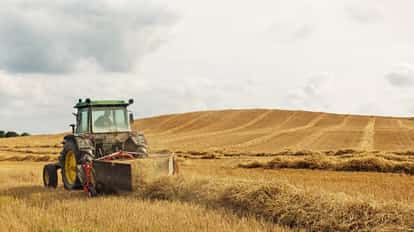
Is Vodka Gluten Free?
Jul 29, 2026
Read more