

Does Vodka Have Carbs? The Complete Guide to Vodka and Your Diet
You may be wondering how many carbs and calories are in your favorite drinks and spirits. Notably, vodka contains fewer calories compared to many other alcoholic beverages.
In this guide, we’ll explore how many carbohydrates are in a shot of vodka, as well as where vodka fits within various diets and lifestyles.
Before we get started, please note that this information is for adults of legal drinking age. Please drink responsibly. Please also note that vodka is not a ‘health’ drink, nor should it be used as a dietary aid.
What Is In Vodka? Understanding the Basics
Before we dive into the specifics of vodka’s carbohydrate content, let’s take a moment to understand what vodka actually is and how vodka is made – because the production process directly impacts its nutritional profile.
Vodka itself is a distilled spirit, which means it’s made by distilling – or purifying – a fermented liquid, often made from grains or potatoes. Distillation is essentially the process of separating the fermented ‘mash’ from the liquid alcohol to create a purified spirit.
Carbohydrate Content in Vodka: The Facts
Vodka distillation removes any nutrients from its source ingredients, such as grains, potatoes or fruit, so you’re left with a pure spirit that mostly consists of ethanol and water.
However, if you’re adding the spirit to a sugary mixer, like cola or lemonade, this will increase the carb and calorie count.
Flavored types of vodka will also have added calories, due to the sugars from the additional extracts and ingredients. Nutritional information will always be displayed on the bottle, so take a look before you decide which to buy or use.
Compared to other alcoholic beverages, however, vodka is quite low carb. For example, a standard 5-ounce glass of wine has around 3 grams of carbs, and between 100-160 calories. Meanwhile, a pint of medium-strength lager has around 8-12 grams – around 182 calories.
Is Vodka Vegan?
Most spirits are made from plant-based ingredients like grains and potatoes. However, some parts of the production processes may not be vegan-friendly. For example, some filtration methods used may be of concern for some vegans, such as those that use animal proteins.
At Absolut, we use charcoal filtration, and do not use any animal products either in the filtration or production process. For more information about our processes, products, and ingredients, take a look at our FAQ page.
If you’re ever unsure about whether a product is not vegan-friendly, it’s always best to check with the manufacturer.
How Many Carbohydrates Are in a Shot of Vodka?
The majority of vodkas contain zero carbs due to the distillation process. This means that a shot of pure, unflavored vodka (1.5 oz) also contains 0 carbs. However, if you’re opting for a flavored spirit or adding it to a mixer, your drink will contain more carbohydrates.
Besides carbs, vodka does contain a certain number of calories, which comes from the alcohol itself. A standard 1.5 oz shot usually contains around 97 calories, though this will depend on the alcohol content, and the addition of sugar.
Let’s take a look at the nutritional information of a shot of vodka in more detail. We’re using a 1.5 oz (42g) shot of 80 proof (40%) vodka as our reference:
- Carbohydrates – 0g
- Calories – 97g
- Sugars – 0g
- Fibre – 0g
- Fat – 0g
- Cholesterol – 0g
- Vitamins – 0g
- Minerals – 0g
- Sodium – 0g
Conclusion: Enjoying Vodka Mindfully Within Your Diet
Vodka itself is considered carb-free and and vegan-friendly, but you should always double-check the bottle or the manufacturer before consuming. If you’re ever unsure about a spirit’s compatibility with your diet, you should also reach out to the manufacturer for peace of mind.
While vodka is mostly carb-free, this doesn’t make it a ‘health’ drink, or a substitute for eating and drinking well. You should always consult a healthcare professional if you have any questions or concerns about nutrition or dietary choices.
VODKA BASICS

History of Vodka
Nov 30, 2025
Read more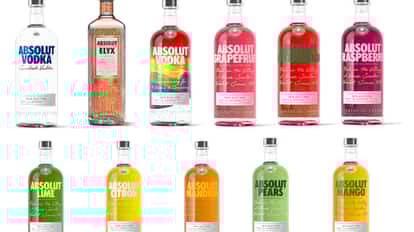
Vodka Flavors — From Neutral Spirit to Flavorful Creations
Nov 30, 2025
Read more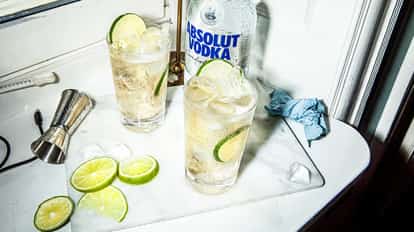
How to Prepare Vodka: From Tradition to Table
Nov 30, 2025
Read more
Does Vodka Have Sugar? Understanding Vodka’s Sugar Content
When examining vodka’s nutritional profile, many people wonder about the sugar content of vodka. Pure, unflavored vodka, despite its subtle notes and flavors, contains minimal to no sugar. It also has very few calories, practically zero carbs, and in most cases, can be considered gluten-free.
During the distillation process, sugars and starches from vodka’s grain or potato base are separated from the distilled spirit, leaving a naturally sugar-free vodka. However, some flavored vodkas may have sugars, sweeteners, or flavors added after distillation.
First things first, vodka should not be considered a health beverage. If you’re monitoring your sugar intake or are simply curious about whether vodka contains sugar, this article explores the sugar content in different types of vodka.
We’ll cover the differences between sugar in unflavored and flavored vodkas, so you can make informed choices. Of course, in many countries (though not all) you may be able to find nutritional information on the vodka bottle label if you’re keeping track of your sugar and carb levels.
To really understand the sugar content of vodka, we first need to examine how vodka is made and what happens to the sugars during this process.
Jump to:
- How Vodka is Made: Sugar in the Fermentation and Distillation Process
- Sugar Content in Unflavored Vodka
- Sugar Content in Flavored Vodka
- Vodka’s Complete Nutritional Profile
- Vodka Varieties with Minimal Sugar
- Reading and Understanding Vodka Levels
- How Mixers Affect Total Sugar Content
- The Importance of Understanding Sugar in Vodka
- Frequently Asked Questions about Sugar in Vodka
How Vodka is Made: Sugar in the Fermentation and Distillation Process
Vodka is derived from only a handful of ingredients, including grains such as wheat, rye, corn, as well as potatoes, fruits, or even sugar cane. The production process involves four main steps: fermentation, distillation, filtration, and dilution.
Let’s look at how these steps affect the sugar content of vodka.
1. Fermentation
During fermentation, the base ingredients are mashed and heated with water to break down their starches into simpler, fermentable sugars. Yeast is then added to the mixture, which converts the sugars into ethanol (alcohol) and carbon dioxide. This usually takes place in a stainless-steel vat, which creates a liquid with a low alcohol content.
2. Distillation
The fermented mixture is heated in a continuous column still, an apparatus used to distill liquors. The alcohol, which boils at a lower temperature than water, vaporizes and rises into the column, removing the impurities and sugar in the vodka. This repeatedly condenses and cools back into a liquid, effectively separating the alcohol from the water and other non-alcoholic compounds.
3. Filtration
After distillation, the highly concentrated liquid is filtered to remove any remaining impurities and undesirable flavors. This is typically done with activated charcoal, which has a porous structure and molecular bonds that trap impurities. Other filtering materials include cloth, sand, or stone.
4. Dilution
Lastly, the spirit is diluted with high-quality, purified water. This helps maintain the desired neutral flavor and reduces its high alcohol content to a standard strength suitable for shelves.
Dilution is done gradually to continuously monitor and test the alcohol by volume (ABV) of the mixture, and to achieve the target strength – around 40% in the U.S.
Afterwards, the diluted vodka is bottled, sealed, and labeled – ready for shelves, bars and cupboards across the world.
Sugar Content in Unflavored Vodka
Though vodka is made from foods like potatoes or wheat, it contains zero carbohydrates. The distillation process strips these foods of nearly all their nutrients, and the sugars and starches are converted into ethanol. The resulting spirit contains only ethanol and water, with little nutritional value.
But whether or not vodka is sugar free really depends on the brand. This term is technically accurate for plain, pure, unflavored vodka, as distillation strips all sugars from the spirit. However, as some vodka manufacturers add sugar as a means to round the taste of final product, and others add flavors, sugar-free vodka is far from the standard.
At Absolut, all our vodkas are zero sugar, including our flavored vodkas.
Sugar Content in Flavored Vodka
While unflavored vodka typically contains minimal sugar, flavored vodkas present a different nutritional profile. The flavoring process can incorporate sugar, glycerin, or other sweeteners to achieve a specific taste. However, Absolut flavored vodkas are made with natural flavors.
How Flavored Vodkas Are Made
Generally speaking, a neutral, unflavored vodka is created through fermentation, distillation, and filtration.
Flavors are usually then incorporated in two ways: by steeping ingredients directly into the vodka or by adding flavoring extracts.
The former refers to post-distillation infusion – a technique of soaking a natural ingredient like fruits, herbs or spices in liquid to extract its flavor. The ingredients are left to sit (or steep) in the vodka for a period ranging from hours to days until it absorbs its aromatic compounds and reaches the correct flavor intensity.
After steeping, the ingredients are generally strained, leaving behind the essential flavor. Trace amounts of sugar can then be added to the vodka to enhance sweetness or give the spirit a smoother texture and a softer mouthfeel.
Another popular method involves the careful addition of extracts to the vodka, to ensure the right flavor balance. Specialized extracts manufactured by flavor houses are added to the blending tank, where they’re combined with the neutral vodka.
Some manufacturers may add sugar and water to achieve the desired flavor, intensity, sweetness, and proof.
Typical Sugar Content in Flavored Vodkas
The average sugar content in flavored vodkas varies by brand and flavor, ranging from 0-3g per serving. Some products can contain higher amounts, with carbs and sugars included as flavoring agents.
In the U.S., the Alcohol and Tobacco Tax and Trade Bureau (TTB) permit up to 2 grams of sugar per liter of standard vodka after distillation without being considered a coloring, flavoring, or blending material.
In general, the sugar content in vodka can vary depending on:
- Added sweeteners. Brands may add sugar, glycerin, or other sweeteners to achieve a specific flavor profile and mouthfeel.
- Sugars. Some flavored vodkas can be sweetened with natural ingredients, like spices or fruit extracts, while others may use added sugars.
- Brand-specific policies. Different brands have different approaches to flavoring and may or may not include sugar in their vodka.
Generally speaking, vodka categories can range from fruity to spicy – let’s take a look at a few different types:
Fruit-Flavored Vodkas
Some flavored vodkas are infused with fruit or include fruit flavorings to achieve sweet, sour, or tropical notes. Popular choices include citrus, berry, and tropical fruits such as mango and guava. Fruit-flavored vodkas are an ideal base for fruity cocktails, like the Absolut Wild Berri Lemonade. They can also be used to enhance classic drinks.
Spice-Flavored Vodkas
Spice-based vodkas are characterized by warm, peppery notes, providing a complex and sometimes spicy bite to cocktails. Examples include vanilla, ginger, pepper, and chili infused vodkas. Spicy vodkas pair well with savory cocktails, offering a sophisticated layer to drinks, like the Absolut Peppar for a classic Bloody Mary.
Vodka’s Complete Nutritional Profile
Beyond just sugar, understanding vodka’s complete nutritional profile can help you better understand what it’s made of.
Alcohol contains about seven calories per gram – twice as caloric as carbs but less caloric than fats. According to the United States Department of Agriculture (USDA), 1.5-oz (42g) of 80-proof vodka contains 97 calories.
The higher the proof, the higher the calorie count. When we compare the same measurements for different proof vodkas, it might look something like this:
- 70 proof (35%): 85 calories
- 80 proof (40%): 97 calories
- 90 proof (45%): 110 calories
- 100 proof (50%): 124 calories
While flavored vodkas contain some sugar, varieties infused with botanical ingredients, like fruit and herbs, typically don’t add any extra sugar. In some cases, this keeps the calorie and carb count similar to pure vodka.
As for other nutrients, vodka contains zero fiber, vitamins, minerals, fat, or cholesterol.
Whiskey, rum, gin, and other distilled liquors contain roughly the same number of calories as vodka, and minimal to zero carbs. In comparison, beer and wine contain more carbs and calories per serving, while sweet liqueurs have substantial amounts of both.
Vodka Varieties with Minimal Sugar
Low sugar vodkas use highly refined bases and distillation to create a neutral spirit, with production focused on purity rather than added sugar.
This primarily comes down to the base materials. While many vodkas use high-quality ingredients like wheat and potatoes for character.
These include grains such as:
- Rye. Provides a nutty sweetness and a distinct flavor profile to the vodka.
- Barley. Produces a bready, lightly nutty sweetness, similar to brioche.
- Corn. Contains natural starches that are converted to alcohol by yeast.
- Wheat. Produces a rich, full-bodied vodka with a distinctive grain character.
It’s crucial to note that the sugar and starch in all base ingredients are stripped during the distillation process.
*This information is provided for educational purposes only and should not be interpreted as dietary or nutritional advice.
Reading and Understanding Vodka Labels
While understanding the sugar content of vodka is important, it’s equally valuable to know how to interpret nutritional information on vodka labels.
TTB regulations don’t require nutrient content labeling for alcoholic beverages, but many alcohol producers can voluntarily display this information. TTB allows claims like “zero sugar” or “no sugar” if the product contains less than 0.5 grams per serving. As pure, unflavored vodka doesn’t contain sugar, you’re unlikely to find information about sugar content.
You can generally find sugar content information on the labels of flavored or sweetened vodka. Look for a voluntary “Serving Facts” or “Statement of Average Analysis” on the bottle, which may list sugar content.
The ingredients list is the most reliable source for information on added sugars in vodka, especially for flavored or pre-mixed varieties. Look for terms describing origin (e.g., made from grains) or quality (e.g., “premium”, meaning distilled multiple times).
In U.S. vodka packaging, you might see common terms related to bottle size (e.g., fifth, liter), with 750ml being the standard size. You may also see proof or ABV indicating the alcohol content.
How Mixers Affect Total Sugar Content
Even though most vodka contains zero sugar, cocktail mixers can dramatically affect the total sugar content of vodka drinks. Sugary juices, soft drinks, and syrups can add a significant amount of sugar to a cocktail, even if the vodka itself doesn’t contain sugar. Not to mention common mixers – such as sodas, fruit juices, and even tonic water – are high in sugar and can significantly increase the total sugar content of a mixed drink.
The popular Moscow Mule may contain around 13 grams of sugar in one serving, while a Cosmopolitan often contains around 12 grams, and a standard Martini contains 0.11 grams of sugar. These measurements can vary depending on the mixers, from tonic water and cranberry juice to sugar-based syrups.
To reduce sugar in a vodka mixer, consider sugar-free or diet alternatives, such as club soda, soda water, or sugar-free sodas. Alternatively, opt for a squeeze of lemon or lime for more flavor.
The Importance of Understanding Sugar in Vodka
Ultimately, understanding sugar content in vodka can help you make informed choices and monitor your sugar intake. Remember, pure, unflavored vodka has little to no sugar, flavored vodkas may contain varying amounts and can vary from manufacturer to manufacturer. It’s important to be aware of common mixers, such as cranberry juice and tonic water, as they often contain significant amounts of hidden sugar.
However, it’s also important to note that vodka is not a health beverage and should not be treated as such. Remember to always drink in moderation and drink responsibly.
Frequently Asked Questions About Sugar in Vodka
All pure, unflavored vodka naturally has zero sugar. The distillation process removes sugar molecules, leaving behind only ethanol and water. Always check the ingredients of flavored or pre-mixed vodka drinks, as some may contain added sugar or sweeteners.
Yes, flavored vodkas often have added sugar, typically through sweeteners, granulated sugar, or syrups. The sugar content in flavored vodkas can vary by brand and type, with some brands using natural flavors without added sugars, and others adding it to improve the taste. Wherever possible, it’s important to check the nutrition label for specific brands if you’re monitoring your sugar intake.
Sugar in vodka can be measured using a refractometer, which measures the refractive index of light passing through a liquid. The results are calibrated to a Brix scale, which indicates the grams of sugar per 100 grams of solution. For distilled spirits, the sugar content is often determined using a combination of density and refractive index (RI) readings to account for both alcohol and sugar content.
VODKA BASICS
History of Vodka
Nov 30, 2025
Read more
Vodka Flavors — From Neutral Spirit to Flavorful Creations
Nov 30, 2025
Read more
How to Prepare Vodka: From Tradition to Table
Nov 30, 2025
Read more
Is Vodka Gluten Free?
Vodka is often made from grains like wheat and rye, which contain gluten. However, due to its distillation process, the answer to whether vodka itself is gluten free isn’t always clear cut.
In this article, we’ll explore how vodka is made, its relationship to gluten, and whether certain flavors, ingredients and botanicals.
But before we dive into vodka specifics, let’s get clear on what this gluten thing is all about.
Gluten 101: Understanding Gluten
Gluten is a family of proteins, primarily gliadin and glutenin, that appear in certain foods. Often, it acts as a glue that holds food together and helps it to keep its shape – bringing elasticity and chewiness to baked goods in particular.
So far, so scientific. But where things fall into focus for the gluten-intolerant is just how commonly these pesky proteins crop up.
- Wheat is integral to bread, pasta, breakfast cereals, and salad dressings.
- Rye is also often included in bread, beer and breakfast cereal
- Barley is commonly found in malt, food coloring, soup, beer and Brewer’s Yeast.
Gluten insensitivity and celiac disease
Throughout the world, gluten-rich foods are a staple part of our diets. But research estimates that 18 million Americans are sensitive to gluten in some way.
People with gluten sensitivity experience issues when eating gluten, often called “gluten intolerance”. Gluten sensitivity is less severe than celiac disease but may include symptoms of bloating and gas, diarrhea or constipation, nausea, headaches, brain fog, and more.
Celiac disease is an autoimmune condition that occurs in genetically predisposed people. It affects one in 100 people around the world, but only 30% are accurately diagnosed.
When people with celiac disease eat gluten, their body triggers an immune response which attacks the small intestine. This leads to damage that prevents nutrients from being absorbed into the body.
Those with celiac disease should avoid gluten completely, and those with gluten sensitivity may need to reduce their intake.
From Grain to Glass: How Gluten Affects Vodka Production
Initial Ingredients: What Goes In
Vodka can be made from a range of base ingredients. Potatoes are a traditional starting point, but more commonly wheat and barley are used, both of which contain gluten. There are also a host of other bases for vodka including corn, rice and even grapes.
The base ingredients are then combined with water and heated. Yeast is added to aid the fermentation process, converting the sugars into alcohol.
But here’s where things get interesting: what goes into vodka doesn’t necessarily come out, thanks to the magic of distillation.
Distillation: The Molecular Bouncer
Distillation is the process of purifying a liquid through heating it. As alcohol boils at a lower temperature than water, the distillation process separates the alcohol from the water.
Gluten proteins are heavy, and sink to the bottom of the waste liquid, rather than being vaporized and condensed with the alcohol in the distillation process. This means that distilled spirits can be considered gluten-free.
But distillation is not the end of the story. What happens after can be just as important for gluten-conscious drinkers.
After the Still: Flavoring, Filtering, and Bottling
After distillation, sometimes other ingredients are added to vodka – for example, natural botanicals. These could include citrus peels, herbs, fruits, or spices, which are generally gluten-free.
At this stage, it’s important to note that there’s potential for cross-contamination in facilities that process products containing gluten. Additionally, some alcoholic beverages may still encounter traces of gluten even after distillation, depending on how they’re aged or stored.
What the Experts Say: Regulations and Research
According to the United States Food and Drug Administration (FDA), distillation is capable of removing all gluten proteins, so a distilled product can be labelled “gluten-free”. The 2020 final rule clarifies that it’s unlikely there will still be gluten present after distillation, but it will depend on the adequacy of the distillation process.
The Alcohol and Tobacco Tax and Trade Bureau (TTB) permit a “gluten-free” label for spirits distilled from gluten-containing grains.
International approaches to vodka and gluten-free labelling
In the EU, you won’t find specific vodkas labelled as “gluten-free”, as all vodkas are gluten-free by default. As a result, designating a specific vodka as gluten-free would be seen as misleading.
In Canada, a gluten-free claim can be made on vodka distilled from gluten-containing grains if:
- The finished protein level is less than 20 ppm and the manufacturer or important has this documentation.
- The product meets the Division 24 requirements of the Food and Drug Regulations (FDR), which refers to Vodka that has been specially processed or formulated to remove gluten. Flavored Vodka may not qualify for the claim.
In Australia, the Food Standards Code requires gluten-free products to have no detectable gluten present, and those claiming that their product is low gluten must have less than 20 mg of gluten per 100g of food. Distilled alcohols are deemed gluten-free, even if the source grain is gluten based.
The Gluten Status of Different Vodkas
Traditional Grain Vodkas: Yes, Even Wheat
Traditional grain vodka, like those made with grains that contain wheat, barley and rye, may still be considered gluten-free. This is because the gluten is removed during the distillation process.
Flavored vodka may contain hidden gluten in additives or colorings. Additionally, there can be a risk of cross contact in facilities that handle gluten-based products.
If you’re concerned about grain-based vodkas, or cross-contamination, there are plenty of alternatives made from ingredients that do not contain any gluten.
Naturally Gluten-Free Base Vodkas
There’s a growing range of specialty vodkas that are made from alternative ingredients to gluten-based grains.
- Potato Vodka. One of the more traditional alternatives, potato vodka is known for its smooth taste and creamy texture.
- Corn Vodka. This often produces light and sweet alcohol with a clean finish. It’s often favored for cocktails.
- Grape Vodka. While most often associated with wine, grapes can also be used to make vodka. Grape Vodka has a subtle fruitiness and creates a soft mouthful.
- Rice Vodka. This type of vodka is unique and offers a smooth and subtly sweet flavor.
Flavored Vodkas: Where Things Get Interesting
There are two ways to add flavor to vodka. The ingredients can either be steeped directly into the vodka or added as extracts. However, it’s important to be aware that it’s possible for flavoring agents or additives to contain gluten.
This means that some flavored vodka may contain gluten even if the base vodka has been distilled. It’s important for those who are unable to have, or mindful of, gluten to check specific product information for flavored vodka.
Absolut Vodka and Gluten: The Complete Picture
All ingredients for Absolut Vodka are sourced from Southern Sweden. Every drop of water and every seed of wheat comes from one water source, and one community. This is the reason why no matter where you are in the world Absolut Vodka will always have the same high quality.
Thanks to our process of continuous distillation, you can be assured that Absolut Original and Absolut Flavors are all gluten-free.
Real Talk for Gluten-Sensitive Vodka Drinkers
When deciding whether to drink vodka with gluten intolerance, individual sensitivity levels should be considered. Everyone’s different and there isn’t a one-size-fits-all. It’s best to consult your healthcare professional if you have any questions or concerns.
As with any food or drink, you’ll also need to consider the drink of cross contamination if you’re drinking in bars or restaurants that serve products containing gluten.
To find out the production methods for specific brands of vodka, check for information on the label of the bottle, visit their website or social media or contact them directly for more information.
VODKA BASICS
History of Vodka
Nov 30, 2025
Read more
Vodka Flavors — From Neutral Spirit to Flavorful Creations
Nov 30, 2025
Read more
How to Prepare Vodka: From Tradition to Table
Nov 30, 2025
Read moreEDITOR’S CHOICE
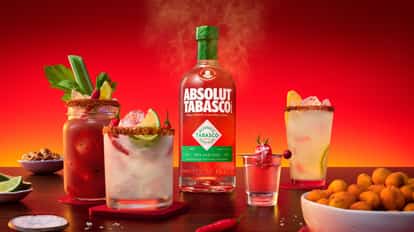
4 Drinks to Make with ABSOLUT® TABASCO™
Feb 10, 2026
Read more
Bars Worth Visiting – Inside One of the World’s Best Bars – Bar Afterglow
Feb 17, 2026
Read more
The 10 Most Popular Vodka Cocktails of 2025
Dec 31, 2025
Read more
Does Vodka Go Bad?
If you come across a bottle of vodka that’s been sitting in the pantry for a while, you might wonder: does vodka expire?
Vodka has an extremely long shelf life, so it doesn’t expire if it’s unopened and stored properly. But while it doesn’t spoil like other perishables, exposing it to the air and certain conditions can affect the vodka’s quality.
How long vodka lasts depends on several factors. Ideally, it’s best if consumed within six months to two years after opening. Understanding vodka shelf life and keeping track of which liquor bottles are open and when they were opened can help you avoid waste and maintain quality. This is especially true with flavored vodkas.
Jump to:
- Does Vodka Expire or Deteriorate Over Time?
- How to Store Vodka for Maximum Shelf Life
- What About Storing Vodka in the Freezer?
- So, Can Vodka Actually Expire?
- Vodka Expiration FAQs
Does Vodka Expire or Deteriorate Over Time?
An open bottle of vodka that’s been sitting unrefrigerated for months may lose its ABV, color and characteristics over time. This is because the air in the bottle will slowly oxidize the vodka and diminish its character.
Most commonly vodkas have an alcohol content of 40% alcohol by volume (ABV), or 80 proof, which is inhospitable to bacteria and mold. Still, exactly how long vodka lasts will depend on a few factors.
What Does ‘Going Bad’ Mean for Vodka?
Vodka doesn’t go ‘off’ or ‘bad’ in a traditional sense. It’s more about a decline in quality, which may affect its aroma, taste, or appearance as opposed to it becoming toxic.
Signs of vodka ‘going bad’ include:
- A foul smell – A sour, musty or unusual smell can signal that the vodka is no longer fresh.
- A bitter taste – If the delicate flavor of the vodka tastes harsh or different from usual, it may have lost its quality.
- Discoloration – Amber, brown or yellow coloring suggests oxidation or contamination.
- Cloudiness – Cloudy or hazy vodka could be a sign of degradation, contamination, or oxidation.
- Floating particles – Vodka with floating particles could indicate that some elements have come out of solution.
If you notice any of these signs, safely discard the bottle as soon as possible.
The Shelf Life of Unopened Vodka
A properly sealed and stored bottle of vodka can last indefinitely – about 30 to 50 years, to be precise. While it has an exceptionally long shelf life, extreme heat or light can affect its flavor, aroma, and appearance over time.
Exposure to high temperatures can cause chemical changes within the vodka that may alter its natural taste and smell.
The Shelf Life of Opened Vodka
Opened vodka can last for decades without going “bad”, but its characteristics and ABV will degrade over time. Most flavored vodka has a shorter shelf life of six months to two years.
When you open a vodka bottle, air enters, and oxygen slowly reacts with the liquid. This causes a loss of flavor. In terms of ABV, a poorly closed or sealed bottle allows more air and moisture in, which can speed up evaporation and reduce the alcohol concentration.
How to Store Vodka for Maximum Shelf Life
Storage practices can influence vodka’s longevity, so it’s important to know how to store both open and unopened vodka.
Best Practices for Unopened Bottles
Unopened vodka is best stored in cool, dark environments with a stable temperature. Find a cool, dark place such as a pantry, cupboard, basement or closet to shield it from direct sunlight and heat.
Vodka doesn’t necessarily go bad if it is opened and unrefrigerated. Ultimately, a bottle of vodka should be kept at a steady temperature between 55° and 60° Fahrenheit (12-15° Celsius) to maintain quality. That means avoiding places with fluctuating temperatures, such as kitchens or garages.
How you position the bottle is equally crucial. Store the vodka upright to prevent the liquid from interacting with the cap or cork, as this can lead to deterioration or contamination.
How to Store Opened Vodka
Vodka is prone to degradation once it’s opened, and chemical changes begin to occur through oxidation.
Always close the cap securely after each use to reduce oxidation and evaporation. We recommend storing Absolut upright, away from direct sources of heat and sunlight, and at room temperature.
Does Vodka Evaporate?
Vodka can also evaporate under certain conditions. The ethanol in vodka is a volatile molecule that readily becomes a gas when exposed to air – even at room temperature.
As opening a bottle of vodka for the first time will affect the quality of the seal, a small degree of alcohol evaporation may occur.
This isn’t exclusive to opened bottles. Vodka in an unopened bottle can also evaporate if stored in a warm location. High temperatures, in general, can increase the rate of evaporation and oxidation due to air exposure.
The rate of evaporation is extremely slow, but it depends on humidity, temperature, and storage. Typically, less than 1% would be lost per year of alcohol, which rarely affects the vodka’s taste or potency.
What About Storing Vodka in the Freezer?
Storing vodka in the freezer can affect its viscosity and temperature. This can alter how flavor compounds are perceived.
Some people store vodka in the freezer to improve its texture and mute the alcohol’s harsh flavors. But with premium vodkas, including Absolut, this can affect the subtle notes and minerality.
So, Can Vodka Actually Expire?
Overall, it’s fair to say that vodka doesn’t ‘expire’ – but storage matters.
Understanding how to store vodka can help preserve its quality over time. Remember, the ideal way to store it depends on whether you have an open or unopened bottle.
Unopened vodka:
- Keep the bottle upright at all times.
- Store in a cool, dark place away from direct sunlight.
- Keep the original seal intact to prevent contamination.
Opened vodka:
- Seal the cap tightly after each use.
- Keep the bottle upright at all times.
- Store in the fridge to preserve its flavors and aromas.
- Consume within 1-2 years after opening, especially flavored types.
Curious about the wonderful world of vodka? Be sure to check out our related articles:
Vodka Expiration FAQs
Open unflavored vodka can last between 10 and 20 years, but its ABV may diminish over time due to air exposure. Opened flavored vodkas, on the other hand, have a shorter shelf life between six months to two years, as its added ingredients degrade quicker.
Unopened vodka has a long shelf life and doesn’t go ‘bad’ if stored properly. However, it can lose flavor and potency over time due to oxidation. For the best quality, it should be stored in a cool, dark place and consumed within a few years.
You can tell if alcohol has expired or spoiled by its smell, appearance, or taste. Look out for discoloration, cloudiness, or floating particles. If it has an unusual smell or tastes stale, this could be a sign that the product has lost quality, ABV, and other characteristics.
VODKA BASICS
History of Vodka
Nov 30, 2025
Read more
Vodka Flavors — From Neutral Spirit to Flavorful Creations
Nov 30, 2025
Read more
How to Prepare Vodka: From Tradition to Table
Nov 30, 2025
Read more
Calories in Vodka: Understanding the Nutritional Profile
Understanding how many calories are in alcoholic beverages and spirits like vodka can help you make informed drinking decisions. In this article, we’ll explore the caloric content in standard vodka, how it’s calculated, and factors that can influence the total calories in vodka-based beverages.
To understand the calories in vodka, we first need to examine what calories are and how they relate to alcoholic drinks.
Understanding Calories in Alcoholic Beverages
Calories refer to the total amount of energy you get from food or drink. They are measured based on a single serving.
The calories in alcoholic beverages mainly come from ethanol (the alcohol). Each gram of ethanol contains 7 calories.
The exact number of calories in a spirit can, however, vary depending on the fermentation and distillation process involved. Other factors such as sugary mixers and alcohol concentration can also influence the caloric content in a drink.
Now that we understand how calories are measured in alcoholic beverages, let’s explore the caloric content in standard vodka.
Caloric Content in Standard Vodka
Please note that the following information is based on standard unflavored vodka.
A single vodka shot contains less than 100 calories.
However, the exact caloric content of vodka can depend on how concentrated the alcohol is. The higher the alcohol concentration, the more calories.
For example:
- A 42g shot of Vodka with 40% alcohol contains 97 calories.
- A 42g shot of Vodka with 50% alcohol contains 124 calories.
The calories in vodka come directly from alcohol (ethanol). A single gram of alcohol contains around seven calories. That’s three calories more than a single gram of carbohydrates, which contains four calories per gram.
A 42g serving of 40% distilled vodka also contains zero grams of sugar and zero grams of fat. However, there is an option to add sugar to vodka.
Now let’s move on to calories in vodka by serving size. This can help provide a clearer picture of vodka’s nutritional profile.
Calories in Vodka by Serving Size
Calories in a Standard Shot of Vodka (1.5 oz/44 ml)
There are approximately 96 – 98 calories in a standard shot of vodka (40% ABV). This can vary slightly based on proof/ABV.
Calories in 100 ml of Vodka
There are approximately 220 – 231 calories per 100 ml of vodka (40% ABV).
Calories in Two Ounces of Vodka
There are approximately 128-130 calories in 2 ounces of vodka (40% ABV). This is a common serving size in many cocktail recipes.
Calories in a Bottle of Vodka
The number of calories in a bottle of vodka depends on both its size and strength.
There are around:
- 1,657 calories in a 750 ml bottle of 40% vodka
- 2,210 calories in a 1L bottle of 40% vodka
- 3,867 calories in a 1.75L bottle of 40% vodka.
This information is for educational purposes only. Always follow recommended drinking guidelines.
Standard vodka can have a consistent caloric profile, but let’s see if flavored vodkas differ in their nutritional content.
Calories in Flavored Vodkas
Most flavored Vodkas don’t contain any more calories than regular vodka. This is because they are often infused with natural or artificial flavorings.
However, vodka drinks made with sugars that are added after the fermentation and distilling process may contain more calories.
Beyond the vodka itself, the way it’s served can dramatically impact the total caloric content of a drink.
How Mixers Affect Total Caloric Content
Vodka drinks that are mixed with common mixers such as soda and fruit juice are likely to have a higher caloric profile. In fact, mixers often contribute significantly more calories than vodka itself.
For example, a 12 oz can of cola contains 155 calories, while a glass of orange juice has 117 calories.
Let’s look at some popular vodka cocktails and their approximate caloric content.
|
Cocktail |
Size |
Calories |
|
Pina Colada (Chi Chi) |
6 oz |
378 calories |
|
4 oz |
200 calories |
|
|
Magarita |
8 oz |
280 calories |
|
Martini |
2.5 oz |
160 calories |
For a complete understanding, it’s also important to consider vodka’s broader nutritional profile beyond just calories.
Factors Affecting Caloric Content in Different Vodkas
There are several factors that can result in variations in caloric content between different vodka products. Including:
- Alcohol by volume (ABV) percentage – The higher the percentage of alcohol in the liquor, the more calories it contains.
- Production methods – Trace additives such as sugars, glycerol and propylene glycol may be used (depending on local regulations) which can add to the calorie content.
Caloric Content in Absolut Vodka Products
You can find specific calorie levels for each of our vodkas on their e-labels.
Calories in Absolut Original Vodka
- Absolut Vodka (40% ABV)
Calories in Absolut Flavored Vodkas
- Absolut Mandrin (40% ABV)
- Absolut Lime (40% ABV)
- Absolut Citron (40% ABV)
- Absolut Vanilla (40% ABV)
- Absolut Raspberri (38% ABV)
Calories in Absolut Ready-to-Drink Products
So, how many calories do Absolut canned cocktails contain? Let’s find out.
Absolut Ocean Spray Cans are made with premium Absolut Vodka and real Ocean Spray Cranberry Juice. Let’s look at the calories in a couple of Absolut Ocean Spray ready-to-drink products below:
- Absolut Vodka Cranberry (4.5% ABV)
- Absolut Vodka Cran.Pineapple (4.5% ABV)
- Absolut Vodka Cran.Raspberry (4.5% ABV)
Reading and Understanding Nutritional Information on Vodka Labels
Most alcohol labels in the US are regulated by the Alcohol and Tobacco Tax and Trade Bureau (TTB). And unlike other food and drinks which are regulated by the FDA, most aren’t required to provide calorie information.
Similarly, in the UK, alcohol products only need to display the strength of the alcohol, volume and allergy information. However, U.S. regulators have made proposals to display information on the caloric content, alcohol content, carbohydrates and fat in protein per serving.
The nutritional information of some drinks can, however, be found online on the manufacturer’s website. Here you can find information on:
- Energy (kJ/kcal) (these are usually per measurement, such as 100 ml)
- Fat (per g), including saturated fat (per g)
- Carbohydrates and sugars (per g)
- And protein and salt (per g)
Conclusion
To conclude, the calories in vodka primarily come from alcohol. Many popular mixers such as sodas and sugary drinks can significantly impact the total caloric content.
This information is for educational purposes only and is intended to help consumers make informed drinking choices when purchasing or consuming vodka-based drinks. Please drink responsibly in line with the U.S. recommended guidelines.
Before we wrap things up, let’s explore some frequently asked questions about calories in vodka.
Frequently Asked Questions About Calories in Vodka
There are 97 calories in a 45 ml serving of gin (80% proof) and a 45 ml serving of vodka (80% proof). A 45 ml glass of rum (80% proof) and a 45 ml glass of whisky (80% proof) also contains 97 calories. Spirits that are mixed with soda, juice, and sugar drinks, however, can have an increased caloric count.
The percentage of alcohol in liquor can affect the number of calories in a drink. So, vodka that contains a higher percentage (ABV) of alcohol tends to include more calories. You can find out how much ABV vodka contains by referring to the alcohol percentage.
Potato and grain vodka have the same number of calories. While these foods are rich in carbohydrates, the sugars and starches in them are converted to ethanol during the fermentation and distillation process.
VODKA BASICS
History of Vodka
Nov 30, 2025
Read more
Vodka Flavors — From Neutral Spirit to Flavorful Creations
Nov 30, 2025
Read more
How to Prepare Vodka: From Tradition to Table
Nov 30, 2025
Read more