
Types of Vodka: A Complete Guide to Vodka Varieties
Did you know there are different types of vodka? And we’re not talking about brands or flavors. There are a variety of vodka types with different methods of production, ingredients, and taste profiles.
Whether you’re a home bartending enthusiast or simply enjoy sipping this beloved spirit, understanding the different types of vodka can give you a deeper appreciation of vodka.
In this guide, we’ll explore the different kinds of vodka and discuss what makes each one unique – from production to flavoring and more. Continue reading and become a vodka veteran in no time.
In this article, you’ll learn:
- What Makes Vodkas Different From Each Other?
- Traditional Vodka Styles by Region
- Modern Vodka Categories
- How to Choose the Right Vodka Type
- Final Thoughts
- Frequently Asked Questions About Vodka Types
What Makes Vodkas Different From Each Other?
Several distinctive factors make each type of vodka unique. Understanding the nuances between the different kinds of vodka can help you make more informed choices when making or ordering a drink.
Let’s take a look at what sets each vodka variety apart:
Base Ingredients: The Foundation of Flavor
The base ingredient of vodka plays a key role in creating distinctive flavor profiles. Different ingredient bases bring out different characteristics, unique to each vodka.
Grain vodka
Grains are the most common base ingredient, offering a smooth and slightly peppery flavor profile. To make grain vodka, grains are milled, mashed, and then distilled to produce alcohol. Then they’re purified, often repeatedly, to make the crystal-clear vodka you recognize in the bottle, and in your glass.
Examples include wheat, rye, corn, and barley as well as buckwheat, all of which offer distinctive notes and nuances. For instance, while rye vodkas can be slightly spicy, corn vodkas tend to be rich and buttery in taste, and wheat vodkas are often described as light, slightly sweet, and crisp.
Potato Vodka
Traditional potato-based vodkas have a uniquely rich, earthy, savory flavor. Potatoes have a high starch content and can be converted into sugar and fermented easily. While potatoes are a well-known ingredient in vodka, only roughly 3% of the vodka sold worldwide is made from potatoes.
Fruit vodka
Fruits including grapes and apples are also used as bases for vodka. Fruits like lemon, passionfruit, orange or raspberry can also be used to infuse vodka.
Other types of bases
Other, less common bases can be used to create different types of vodka. These can provide unique flavors and tasting experiences. Some of these include:
- Whey
- Sugar cane
- Maple Sap
- Honey
- Olives
- Rice
While the base ingredient creates the foundation of a vodka’s character, the production process further refines its personality.
Production Methods: From Distillation to Filtration
Once the base ingredient has been selected, the production method then plays a vital role in the end product’s taste and texture.
The process typically includes:
- Distillation. This process purifies liquid through heat and vaporization. It then collects the vapor as it condenses, and the produced liquid is purer with more alcoholic content. Different vodka makers will have their own approach to distillation.Column stills are used to provide increased levels of purity and consistency. Pot stills are less common but typically used for more complex, flavorful vodkas, as the slower process preserves the characteristics of the original ingredient. Some companies distill their vodka multiple times to increase purity and smoothness.
- Filtration. There are a range of vodka filtration methods, and not all producers filter their vodka at all. But during this stage, vodka is passed through a material like charcoal, quartz, silver, or gold to achieve smoothness and absorb any impurities. Some manufacturers filter their vodka several times to enhance smoothness.
The role of the water source in vodka production
Vodka is primarily composed of ethanol and water. During the production stage, water is used at least twice – for fermentation and distillation. Vodka consists of around 60% water, so its quality and purity are key. Distilleries are often established in areas with an abundant, soft water supply, typically sourced from artesian wells or natural springs.
Vodka manufacturers typically use modern water purification technology to demineralize the liquid through osmosis. This helps to produce pure, neutral water which doesn’t affect the flavor of the vodka.
Traditional Vodka Styles by Region
Eastern European Vodkas
Vodka is a cultural mark in many Eastern European countries, especially Russia, Poland, and Ukraine. It’s strongly connected to Slavic traditions, often made from fermented grains or potatoes. The history of vodka often cites Russia and Poland as the originators of the spirit.
Russian vodka is traditionally distilled from wheat. It tends to have a slight hint of aniseed and can be sweetened during the production process with sugar or honey. In Russia, it’s recognized as a symbol of hospitality, often served chilled and neat with dishes such as caviar, pickled vegetables, and rye bread.
Polish vodka is typically made using rye or potatoes. Stobrawa potatoes are commonly preferred due to their high starch content, which makes them easier to ferment. Rye vodka is known for being rich and slightly spicy, while potato-based vodka tends to be creamier and slightly sweet. In Poland, vodka is a staple at festivals and other celebrations.
Ukrainian vodka is typically made from grains such as wheat or rye. Early versions of the spirit were fused with flavors like honey, pepper, or birch sap, but its smooth, clean variety is most popular. This type of vodka is traditionally served neat, chilled, with food and is a key feature at social gatherings.
Scandinavian Vodkas
While Eastern Europe may be vodka’s ancestral home, Nordic countries have developed their own distinctive approach too.
Sweden and Finland are renowned for their high-quality grains like winter wheat or barley, and the use of pure spring water. In general, Scandinavian vodka tends to be distilled multiple times to ensure purity, contributing to its smooth, clean taste.
- Swedish vodka. This type of vodka is renowned for its high quality and purity. Brands like Absolut fall into this vodka variety, with the natural key ingredients like Swedish Winter Wheat and water sourced from deep wells. This provides a rich, full-bodied, and smooth tasting experience. Learn more about Absolut’s history.
- Finnish vodka. This vodka variety is commonly made from pure glacial spring water and six row barley to create a balanced and crisp taste. Vodka is considered a key part of Finland’s culture and tradition and is one of the country’s main exports.
- Norwegian vodka. Vodka production in Norway draws on its glacial water, clean air and fertile land from fermentation to post-distillation. This brings Norwegian vodka an exceptional purity and smoothness.
- Icelandic vodka. In Iceland, exceptionally pure glacial water filters naturally through volcanic lava fields. It brings a gentle minerality to the finished product.
North American Vodkas
Vodka is a large part of the North American drinking culture, American vodkas often reflect the country’s diverse culture and geography – with a range of clean, classic profiles to flavored versions of the spirit that provide a unique tasting experience. Some American vodkas incorporate native ingredients like corn and other locally sourced grains.
The American craft spirits scene has had a significant influence on the vodka industry. It inspired the creation of a number of micro distilleries with their own unique stories and qualities – often highlighting locality, sustainability, and traditional craft.
America has introduced several innovations to enhance their vodka production processes, such as using eco-friendly practices and crafting techniques. Take zero-waste vodka made from fruit skins, for example, or traditional copper pot still distillation, which can potentially remove unwanted Sulphur compounds.
Distillers meticulously select yeast strains, control fermentation conditions, and often employ pot distillation to retain certain flavorful congeners, crafting a vodka that is not only smooth and pure but also characterful and distinctive.
Beyond regional traditions, modern vodka production has expanded into specialized categories.
Modern Vodka Categories
Flavored Vodkas
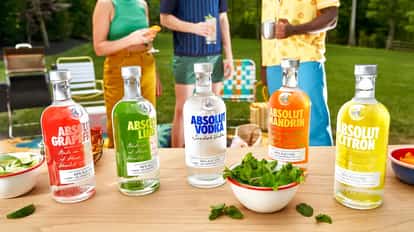
When it comes to flavored vodkas, there’s a vast selection for bartenders and drinkers to choose from. Most fit into the categories of flavored and infused vodkas. Many flavored vodkas have artificial flavors added to the spirit after distillation, whereas Absolut flavored vodka, for example, is made with natural flavors. Infused vodka, in contrast, involves soaking fruits, herbs, spices, and other natural ingredients directly in the vodka, resulting in a more authentic flavor profile.
Popular vodka flavor categories include citrus fruits like lemon and lime, berries like raspberry and tropical fruits like passion fruit and mango. Absolut introduced its first flavored vodka, Absolut Peppar, back in 1986, with Absolut Citron following shortly after in 1988 – a first pick for bartenders making cocktails such as Lemon Drop Martinis and Cosmos.
While flavored vodkas add dimension to the category, premium and luxury vodkas focus on exceptional quality.
Premium and Luxury Vodkas
Vodka that is marketed as premium and luxury tends to follow a more complex production process, with high-quality base ingredients and multiple-stage distillation and filtration practices. This creates a more refined, sophisticated vodka by removing impurities and making the spirit smoother and cleaner to taste.
Luxury vodka is often produced in smaller batches to maintain greater control and precision during production – this leads to consistent product production. The cost of premium vodka reflects not just the quality of the product, but also luxury branding, sophisticated packaging, and the overall premium experience.
Organic and Sustainable Vodkas
Some organic certification requirements state that vodka must be produced with at least 95% organic ingredients, and the grains, fruits, or sugar must be grown without synthetic pesticides, herbicides, or GMOs.
Additionally, fermentation, distillation and filtration processes must all meet special organic certification standards – from field to bottling and packaging. Efforts are also made to reduce waste and lower carbon footprint, through measures such as recycling, renewable energy usage, and water conservation.
In recent years, there’s been a rise in carbon-neutral and carbon-negative vodka.
This is a type of vodka that’s carbon footprint is reduced to zero through a range of emission-lowering practices and offsetting, such as using renewable energy, regenerative agriculture, capturing CO2, or planting trees.
Curious sustainability at Absolut? Check out Our One Source Story.
With so many vodka varieties available, choosing the right one for your needs comes down to understanding how to use each type.
How to Choose the Right Vodka Type
Vodka Types for Different Cocktails
Whether you’re a seasoned bartender or home bartending enthusiast, knowing which type of vodka to use for different drinks is essential. There are certain varieties of vodka that just work better in specific drinks.
For example, if you’re making a classic Martini, grain-based vodka like Absolut is a great option due to its clean, balanced, and versatile taste.
When it comes to fruity cocktails, opt for a fruit-based vodka that features or complements the other fruits, for example Absolut Citron in an Cranapple Breeze or Absolut Rasberri in Raspiroska.
If you’re making a creamy drink, potato-based vodkas are a great choice as they already have a rounder mouthfeel in the base ingredient. You could also go for a vodka with a creamy flavor like Absolut Vanilla to complement the smoothness of drinks like an Passion Star Martini.
And for vodka for infusions, a spirit with a strong, clean base like Absolut Original is usually best as it can act as a clean canvas for the taste of fruit, herb or spice infusions to come through.
Beyond cocktails, different vodka varieties also offer unique experiences when enjoyed neat.
Vodka Types for Sipping
If you prefer to make a vodka-based drink for sipping neat, premium varieties are usually best. This allows you to take in the true flavors of the vodka – you can appreciate its key ingredients and the meticulous production process that went into making it.
When neat, vodka is best served chilled but not frozen, ideally between 46-50°F to enhance the smoothness. This will also help to suppress the strong alcohol taste. You can pour it into a chilled glass or shot glass to emphasize the spirit’s clarity and aroma. Drinking vodka at different temperatures can provide new experiences of its molecular composition.
When sipping vodka, allow the vodka to linger on your tongue so you can taste all of its nuances. Swirl the vodka around in your glass to help release the aromas. If the drink is too strong, you can add some water or ice to dilute it. Pay attention to the body – is it light, medium, or full? Is the finish short, clean, or lingering? And how’s the mouthfeel? Is it silky or crisp? Bear in mind that neutral vodkas often have subtle notes of citrus, pepper, vanilla, and even floral hints.
Final Thoughts
It’s clear to see that there is a wide variety of vodka types available – from the crisp and clear to the fruity and the creamy. A great deal of work goes into creating some of your favorite types of vodka, and your knowledge of this can help you make more informed decisions when choosing or making your next vodka-based drink.
Experimentation is key when it comes to elevating your knowledge of the different kinds of vodka – so try testing out different grains, flavors, and price points to find which you like best.
Absolut offers a wide collection of vodka varieties – so you can work your way through our catalogue to find your favorite flavor. Of course, as always, drink responsibly.
Frequently Asked Questions About Vodka Types
Vodka can be categorized by its based ingredients, such as grain vodka, potato vodka, and fruit-based vodka. It can also be classified by its flavor profile, including plain vodka, flavored vodka, and infused vodka.
The three main types of vodka are plain vodka, flavored vodka, and infused vodka. Plain vodka is neutral, balanced, and clear, while flavored vodka is enhanced with natural or artificial flavors. Infused vodka is steeped with fruits to make the spirit sweeter and more aromatic.
Absolut is a Swedish vodka brand made from Swedish winter wheat and pure, water sourced from local wells in Åhus, in the south of Sweden. Our vodka is carbon-neutral and known for its rich, smooth, and high-quality flavor profile. Read more in our One Source Story.
Top shelf vodka is a term used to refer to vodka of the highest quality. It’s distinguished by its excellent smoothness, pleasurable flavor profile, and superior ingredients – not to mention its meticulous production processes, often featuring multiple distillation and filtration methods.
There isn’t a certain brand or type of vodka that’s labeled as the smoothest. But some types of vodka are known for being especially smooth. For example, vodka with potato or wheat as the base ingredient tends to have a creamier character, which can make it taste smoother on the palate.
There’s no outright best vodka for drinking straight, it’s all down to your personal preference. However, vodka with neutral, smooth, and balanced profiles are generally favored for drinking neat, as it has subtle flavors and textures and isn’t too harsh on the palate.
VODKA AND NUTRITION

Does Vodka Have Carbs? The Complete Guide to Vodka and Your Diet
Nov 23, 2025
Read more
Does Vodka Have Sugar? Understanding Vodka's Sugar Content
Nov 23, 2025
Read more
Is Vodka Gluten Free?
Nov 23, 2025
Read more