

Does Vodka Have Sugar? Understanding Vodka’s Sugar Content
When examining vodka’s nutritional profile, many people wonder about the sugar content of vodka. Pure, unflavored vodka, despite its subtle notes and flavors, contains minimal to no sugar. It also has very few calories, practically zero carbs, and in most cases, can be considered gluten-free.
During the distillation process, sugars and starches from vodka’s grain or potato base are separated from the distilled spirit, leaving a naturally sugar-free vodka. However, some flavored vodkas may have sugars, sweeteners, or flavors added after distillation.
First things first, vodka should not be considered a health beverage. If you’re monitoring your sugar intake or are simply curious about whether vodka contains sugar, this article explores the sugar content in different types of vodka.
We’ll cover the differences between sugar in unflavored and flavored vodkas, so you can make informed choices. Of course, in many countries (though not all) you may be able to find nutritional information on the vodka bottle label if you’re keeping track of your sugar and carb levels.
To really understand the sugar content of vodka, we first need to examine how vodka is made and what happens to the sugars during this process.
Jump to:
- How Vodka is Made: Sugar in the Fermentation and Distillation Process
- Sugar Content in Unflavored Vodka
- Sugar Content in Flavored Vodka
- Vodka’s Complete Nutritional Profile
- Vodka Varieties with Minimal Sugar
- Reading and Understanding Vodka Levels
- How Mixers Affect Total Sugar Content
- The Importance of Understanding Sugar in Vodka
- Frequently Asked Questions about Sugar in Vodka
How Vodka is Made: Sugar in the Fermentation and Distillation Process
Vodka is derived from only a handful of ingredients, including grains such as wheat, rye, corn, as well as potatoes, fruits, or even sugar cane. The production process involves four main steps: fermentation, distillation, filtration, and dilution.
Let’s look at how these steps affect the sugar content of vodka.
1. Fermentation
During fermentation, the base ingredients are mashed and heated with water to break down their starches into simpler, fermentable sugars. Yeast is then added to the mixture, which converts the sugars into ethanol (alcohol) and carbon dioxide. This usually takes place in a stainless-steel vat, which creates a liquid with a low alcohol content.
2. Distillation
The fermented mixture is heated in a continuous column still, an apparatus used to distill liquors. The alcohol, which boils at a lower temperature than water, vaporizes and rises into the column, removing the impurities and sugar in the vodka. This repeatedly condenses and cools back into a liquid, effectively separating the alcohol from the water and other non-alcoholic compounds.
3. Filtration
After distillation, the highly concentrated liquid is filtered to remove any remaining impurities and undesirable flavors. This is typically done with activated charcoal, which has a porous structure and molecular bonds that trap impurities. Other filtering materials include cloth, sand, or stone.
4. Dilution
Lastly, the spirit is diluted with high-quality, purified water. This helps maintain the desired neutral flavor and reduces its high alcohol content to a standard strength suitable for shelves.
Dilution is done gradually to continuously monitor and test the alcohol by volume (ABV) of the mixture, and to achieve the target strength – around 40% in the U.S.
Afterwards, the diluted vodka is bottled, sealed, and labeled – ready for shelves, bars and cupboards across the world.
Sugar Content in Unflavored Vodka
Though vodka is made from foods like potatoes or wheat, it contains zero carbohydrates. The distillation process strips these foods of nearly all their nutrients, and the sugars and starches are converted into ethanol. The resulting spirit contains only ethanol and water, with little nutritional value.
But whether or not vodka is sugar free really depends on the brand. This term is technically accurate for plain, pure, unflavored vodka, as distillation strips all sugars from the spirit. However, as some vodka manufacturers add sugar as a means to round the taste of final product, and others add flavors, sugar-free vodka is far from the standard.
At Absolut, all our vodkas are zero sugar, including our flavored vodkas.
Sugar Content in Flavored Vodka
While unflavored vodka typically contains minimal sugar, flavored vodkas present a different nutritional profile. The flavoring process can incorporate sugar, glycerin, or other sweeteners to achieve a specific taste. However, Absolut flavored vodkas are made with natural flavors.
How Flavored Vodkas Are Made
Generally speaking, a neutral, unflavored vodka is created through fermentation, distillation, and filtration.
Flavors are usually then incorporated in two ways: by steeping ingredients directly into the vodka or by adding flavoring extracts.
The former refers to post-distillation infusion – a technique of soaking a natural ingredient like fruits, herbs or spices in liquid to extract its flavor. The ingredients are left to sit (or steep) in the vodka for a period ranging from hours to days until it absorbs its aromatic compounds and reaches the correct flavor intensity.
After steeping, the ingredients are generally strained, leaving behind the essential flavor. Trace amounts of sugar can then be added to the vodka to enhance sweetness or give the spirit a smoother texture and a softer mouthfeel.
Another popular method involves the careful addition of extracts to the vodka, to ensure the right flavor balance. Specialized extracts manufactured by flavor houses are added to the blending tank, where they’re combined with the neutral vodka.
Some manufacturers may add sugar and water to achieve the desired flavor, intensity, sweetness, and proof.
Typical Sugar Content in Flavored Vodkas
The average sugar content in flavored vodkas varies by brand and flavor, ranging from 0-3g per serving. Some products can contain higher amounts, with carbs and sugars included as flavoring agents.
In the U.S., the Alcohol and Tobacco Tax and Trade Bureau (TTB) permit up to 2 grams of sugar per liter of standard vodka after distillation without being considered a coloring, flavoring, or blending material.
In general, the sugar content in vodka can vary depending on:
- Added sweeteners. Brands may add sugar, glycerin, or other sweeteners to achieve a specific flavor profile and mouthfeel.
- Sugars. Some flavored vodkas can be sweetened with natural ingredients, like spices or fruit extracts, while others may use added sugars.
- Brand-specific policies. Different brands have different approaches to flavoring and may or may not include sugar in their vodka.
Generally speaking, vodka categories can range from fruity to spicy – let’s take a look at a few different types:
Fruit-Flavored Vodkas
Some flavored vodkas are infused with fruit or include fruit flavorings to achieve sweet, sour, or tropical notes. Popular choices include citrus, berry, and tropical fruits such as mango and guava. Fruit-flavored vodkas are an ideal base for fruity cocktails, like the Absolut Wild Berri Lemonade. They can also be used to enhance classic drinks.
Spice-Flavored Vodkas
Spice-based vodkas are characterized by warm, peppery notes, providing a complex and sometimes spicy bite to cocktails. Examples include vanilla, ginger, pepper, and chili infused vodkas. Spicy vodkas pair well with savory cocktails, offering a sophisticated layer to drinks, like the Absolut Peppar for a classic Bloody Mary.
Vodka’s Complete Nutritional Profile
Beyond just sugar, understanding vodka’s complete nutritional profile can help you better understand what it’s made of.
Alcohol contains about seven calories per gram – twice as caloric as carbs but less caloric than fats. According to the United States Department of Agriculture (USDA), 1.5-oz (42g) of 80-proof vodka contains 97 calories.
The higher the proof, the higher the calorie count. When we compare the same measurements for different proof vodkas, it might look something like this:
- 70 proof (35%): 85 calories
- 80 proof (40%): 97 calories
- 90 proof (45%): 110 calories
- 100 proof (50%): 124 calories
While flavored vodkas contain some sugar, varieties infused with botanical ingredients, like fruit and herbs, typically don’t add any extra sugar. In some cases, this keeps the calorie and carb count similar to pure vodka.
As for other nutrients, vodka contains zero fiber, vitamins, minerals, fat, or cholesterol.
Whiskey, rum, gin, and other distilled liquors contain roughly the same number of calories as vodka, and minimal to zero carbs. In comparison, beer and wine contain more carbs and calories per serving, while sweet liqueurs have substantial amounts of both.
Vodka Varieties with Minimal Sugar
Low sugar vodkas use highly refined bases and distillation to create a neutral spirit, with production focused on purity rather than added sugar.
This primarily comes down to the base materials. While many vodkas use high-quality ingredients like wheat and potatoes for character.
These include grains such as:
- Rye. Provides a nutty sweetness and a distinct flavor profile to the vodka.
- Barley. Produces a bready, lightly nutty sweetness, similar to brioche.
- Corn. Contains natural starches that are converted to alcohol by yeast.
- Wheat. Produces a rich, full-bodied vodka with a distinctive grain character.
It’s crucial to note that the sugar and starch in all base ingredients are stripped during the distillation process.
*This information is provided for educational purposes only and should not be interpreted as dietary or nutritional advice.
Reading and Understanding Vodka Labels
While understanding the sugar content of vodka is important, it’s equally valuable to know how to interpret nutritional information on vodka labels.
TTB regulations don’t require nutrient content labeling for alcoholic beverages, but many alcohol producers can voluntarily display this information. TTB allows claims like “zero sugar” or “no sugar” if the product contains less than 0.5 grams per serving. As pure, unflavored vodka doesn’t contain sugar, you’re unlikely to find information about sugar content.
You can generally find sugar content information on the labels of flavored or sweetened vodka. Look for a voluntary “Serving Facts” or “Statement of Average Analysis” on the bottle, which may list sugar content.
The ingredients list is the most reliable source for information on added sugars in vodka, especially for flavored or pre-mixed varieties. Look for terms describing origin (e.g., made from grains) or quality (e.g., “premium”, meaning distilled multiple times).
In U.S. vodka packaging, you might see common terms related to bottle size (e.g., fifth, liter), with 750ml being the standard size. You may also see proof or ABV indicating the alcohol content.
How Mixers Affect Total Sugar Content
Even though most vodka contains zero sugar, cocktail mixers can dramatically affect the total sugar content of vodka drinks. Sugary juices, soft drinks, and syrups can add a significant amount of sugar to a cocktail, even if the vodka itself doesn’t contain sugar. Not to mention common mixers – such as sodas, fruit juices, and even tonic water – are high in sugar and can significantly increase the total sugar content of a mixed drink.
The popular Moscow Mule may contain around 13 grams of sugar in one serving, while a Cosmopolitan often contains around 12 grams, and a standard Martini contains 0.11 grams of sugar. These measurements can vary depending on the mixers, from tonic water and cranberry juice to sugar-based syrups.
To reduce sugar in a vodka mixer, consider sugar-free or diet alternatives, such as club soda, soda water, or sugar-free sodas. Alternatively, opt for a squeeze of lemon or lime for more flavor.
The Importance of Understanding Sugar in Vodka
Ultimately, understanding sugar content in vodka can help you make informed choices and monitor your sugar intake. Remember, pure, unflavored vodka has little to no sugar, flavored vodkas may contain varying amounts and can vary from manufacturer to manufacturer. It’s important to be aware of common mixers, such as cranberry juice and tonic water, as they often contain significant amounts of hidden sugar.
However, it’s also important to note that vodka is not a health beverage and should not be treated as such. Remember to always drink in moderation and drink responsibly.
Frequently Asked Questions About Sugar in Vodka
All pure, unflavored vodka naturally has zero sugar. The distillation process removes sugar molecules, leaving behind only ethanol and water. Always check the ingredients of flavored or pre-mixed vodka drinks, as some may contain added sugar or sweeteners.
Yes, flavored vodkas often have added sugar, typically through sweeteners, granulated sugar, or syrups. The sugar content in flavored vodkas can vary by brand and type, with some brands using natural flavors without added sugars, and others adding it to improve the taste. Wherever possible, it’s important to check the nutrition label for specific brands if you’re monitoring your sugar intake.
Sugar in vodka can be measured using a refractometer, which measures the refractive index of light passing through a liquid. The results are calibrated to a Brix scale, which indicates the grams of sugar per 100 grams of solution. For distilled spirits, the sugar content is often determined using a combination of density and refractive index (RI) readings to account for both alcohol and sugar content.
VODKA BASICS

History of Vodka
Nov 30, 2025
Read more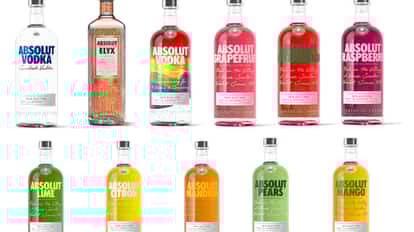
Vodka Flavors — From Neutral Spirit to Flavorful Creations
Nov 30, 2025
Read more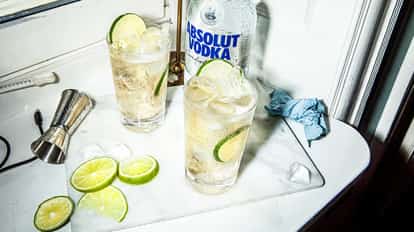
How to Prepare Vodka: From Tradition to Table
Nov 30, 2025
Read more