
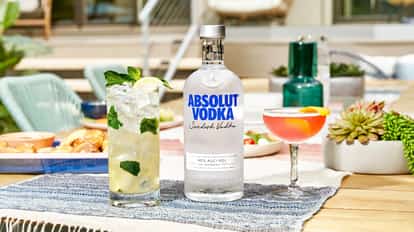
Understanding Vodka Alcohol Content
Vodka is a versatile spirit that pairs seamlessly with a range of mixers. It’s beloved for its smooth, classic flavour and is a staple ingredient in many classic cocktails.
But there’s more to vodka than meets the eye. Vodka comes in a range of alcohol levels, which can impact your creativity and craftsmanship.
Understanding vodka’s alcohol content can help you master cocktail creation. It can also help you manage your intake and ensure responsible drinking.
Read on to learn more about vodka alcohol content.
Jump to:
- Decoding Vodka
- Proof and ABV
- Exploring Vodkas with Varying Alcohol Content
- Drinking Vodka with Awareness and Moderation
- Vodka and Nutrition
Decoding Vodka
Vodka is renowned for its smooth, clean taste and neutral flavour profile. The balanced spirit is a staple ingredient for a diverse range of cocktails. From a classic Vodka Martini to a fruity Lemon Drop Martini.
But it’s not just the ingredients that shape the taste profile of these beloved cocktails. The vodka alcohol content can also influence the feel and taste of the drink.
The alcohol content in vodka is displayed as a percentage on the label – also known as the Alcohol by Volume (ABV). The ABV represents the amount of pure alcohol in the vodka.
And that’s just one reason why understanding vodka alcohol content matters. Understanding alcohol content in vodka can also help promote responsible alcohol consumption.
Responsible Consumption and Pacing
Knowing the alcohol content in vodka can help you make informed decisions and keep within your drinking limits.
For example, if you’re making a drink with 40% ABV vodka, you may want to take it easy and alternate with water to avoid consuming too much.
Precise Cocktail Creation
Different ABVs are used to achieve specific profiles in mixed drinks. For example, a Cosmopolitan is crafted from 40% Absolut Citron, while a Hunni Lemon Drop is crafted with 38% Absolut Hunni.
Understanding the ABV of vodka can help you master your favourite cocktails with ease. It has a direct impact on the flavour and balance of cocktails. This is worth keeping in mind when crafting your own vodka-based beverages.
Making Informed Purchase Decisions
Understanding the alcohol content in vodka can help you compare different brands. For example, if you’re undecided between a vodka with 38% ABV or one with 50% ABV, you can select one based on your cocktail needs and drinking limits.
Social and Legal Considerations
Understanding alcohol content in vodka is key to responsible drinking. It’s important to understand the legal regulations related to alcohol content in vodka. This can help promote safety and avoid drinking in excess.
Proof and ABV
Now you know why it’s important to understand vodka alcohol content, let’s dive deeper into the topic.
A History of Alcohol “Proof”
“Proof” is the amount of alcohol in a spirit, which is double the ABV. For example, if the ABV of vodka is 50%, the proof would be 100. The term “proof” dates to 16th century England, when the government would tax spirits with a proof of 100 and above.
It’s thought they would soak gunpowder in the spirit and try to light it on fire. If the wet gunpowder caught fire, the alcohol was considered strong enough and would be classified a proof spirit.
The Science of ABV
ABV stands for Alcohol by Volume. This percentage is often displayed on the labels of cans and bottles and shows the amount of pure alcohol in a beverage. For instance, a 750ml bottle of vodka with 40% ABV contains 300ml of pure alcohol. The other 60% is made up of water and other ingredients.
ABV is considered a more straightforward and accurate way to measure alcohol content. The UK stopped using the proof system in 1980 and switched to ABV instead.
In the UK, it’s a legal requirement to display the ABV on the labels of alcoholic beverages. Using units is a simpler way of showing a drink’s alcohol content.
To calculate how many units of alcohol is in a drink, you need to:
- Multiply the size of the serving (in ml) by the ABV.
- Then divide the result by 1,000.
The Relationship Between Proof and ABV
Proof and ABV are two different types of measurements that show the amount of pure alcohol in a drink. Sometimes, these measurements relate to each other. For example, proof is double the ABV in the United States.
But while proof is more commonly used in the US, ABV is the standard measurement across the wider world – including in the UK. Proof and ABV calculations vary in different countries, however. For example, in France, proof is equal to ABV.
Minimum Alcohol Contents
To follow regulatory standards, the minimum alcohol content for vodka in the UK is 37.5% ABV. 80 proof is the most common alcohol content in vodka across the globe.
A fixed measurement of minimum required alcohol can help consumers in different areas compare the strength of a range of beverage and spirits.
This level of vodka alcohol content also enables manufacturers to dilute their spirits with water to ensure the alcohol is strong enough to deliver the expected flavour, without being too overwhelming.
Working Out the Alcohol Content for Different Vodkas
It’s easy to find the alcohol content for different vodkas. When you’re choosing your next bottle, take a look at the following:
- The label – The ABV and/or proof should be clearly shown on the bottle label. You’ll typically find it near the brand name or bottle size at the front. Sometimes the ABV may be written as “vol/alcohol volume”.
- The small print – Carefully examine the label, as these details may be displayed in small print or located in a less obvious area.
- International variations – The placement and format of information on alcohol content in vodka can vary by country. In the United States, the brand name and alcohol content should be in the same field of vision.
Exploring Vodkas with Different Levels of Alcohol
The level of alcohol in a spirit can alter a cocktail’s character and overall drinking experience, and vodka is no exception. ABV can alter the balance of flavours when mixed with other ingredients, as it affects the chemical composition of the drink. This is how we can end up with a richer taste or a more subtle one.
For example, higher ABV vodkas may have a different texture than lower ABV vodkas and can impact other components in a cocktail. An example of a higher ABV vodka is “overproof” or “100 proof vodka”. This vodka has an ABV of over 50% (or 100 proof).
But what does this all mean? Essentially, a drink or cocktail made with over 50% ABV will taste markedly different to another one composed of lower ABV vodka.
It’s important to remember that lower vodka ABV doesn’t necessarily mean a weaker or lower quality drink. Other factors, such as measurements and mixing ingredients, can also come into play here.
While vodkas are available in different alcohol levels, it’s important to drink responsibly. Check the label to understand the precise alcohol percentage in vodka before drinking it.
Alcohol Content in Absolut Vodka
Absolut Vodka Original is 40% ABV (or 80 proof). This information is always displayed on our bottles with their iconic design.
However, Absolut Vodka flavours and special products have different alcohol percentages. Some of our flavoured vodkas, such as Absolut Raspberri, have a slightly lower percentage (around 38% ABV). Absolut Citron is 40% ABV.
Explore the Absolut Vodka range for the full selection.
Absolut Vodka is an award-winning, globally recognised vodka brand. But it isn’t just our high-quality ingredients, distinct flavours, and bottle design that have carved out our place – we’re also committed to constant innovation. Plus, our core offerings contain consistent alcohol content – so you know exactly what you’re getting each time you create a cocktail.
Drinking Vodka with Awareness and Moderation
Understanding vodka alcohol content can help you drink in moderation. Knowing the alcohol content allows you to better track your alcohol intake and encourages responsible vodka mixing or when it’s time to put it back in the freezer.
All Absolut Vodka bottles clearly display the ABV. This allows you to easily find a product that suits you and make informed purchasing choices.
Whether you’re buying vodka at the supermarket, ordering a cocktail at the bar, or whipping up a drink at home, knowing the ABV of vodka and its variations can help you drink responsibly.
VODKA BASICS

History of Vodka
Jul 9, 2026
Read more
Vodka Flavours – From Neutral Spirit to Flavourful Creations
Jul 9, 2026
Read more
How to Prepare Vodka: From Tradition to Table
Jul 14, 2026
Read more