
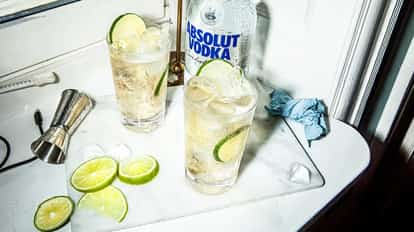
How to Prepare Vodka: From Tradition to Table
Vodka’s clear, smooth and understated profile sits at the heart of countless classic cocktails. Whether you’re hosting friends at home, choosing a drink from a well‑appointed bar, or matching a spirit to a meal, there’s a vodka serve suited to every occasion.
Read on to discover how to prepare vodka neat or use it as the base for a range of cocktails. Whichever way you prefer it, explore the creative potential of one of the world’s most versatile spirits with our complete guide to drinking vodka.
The Traditional Way: Vodka’s Cultural Roots
When most people think about drinking vodka, images of a classic martini glass or a tall, ice‑filled highball often come to mind. In reality, vodka’s origins trace back centuries to Eastern Europe; particularly Russia, Poland and Ukraine, where it was traditionally enjoyed in a much simpler way:
- Poured neat, without ice, into small glasses
- Chilled for smoothness rather than dilution
- Accompanying small dishes of food known as zakuski.
This approach developed out of practicality. In colder climates, vodka was appreciated for its warming qualities, while modest servings naturally encouraged restraint. Food often complemented the experience – particularly fish.
Modern Serving Methods: How to Drink Vodka at Home, Bars & Restaurants
When it comes to drinking vodka, there isn’t a single correct approach. While vodka has strong traditional roots, it doesn’t need to be enjoyed neat with smoked salmon or caviar. In reality, the way you drink vodka often depends on the setting and the occasion.
At Home:
- Stored in the freezer for chilled, neat serves
- Served from a home bar setup using appropriate glassware
- Used in batch‑made cocktails prepared for hosting guests.
At Bars:
- Included in carefully designed cocktail recipes
- Served as measured shots in suitable glassware
- For vodka flights in tasting experiences.
At Restaurants:
- Matched deliberately with selected menu items
- Featured in curated drinks lists
- In signature house cocktails that complement the cuisine.
Does Price Point Affect How to Drink Vodka?
Yes, the price of a vodka can shape how it’s best enjoyed, especially when that price reflects craftsmanship and quality. Learning to identify vodka quality and understanding each bottle’s profile helps determine which types of vodka are better served neat or mixed.
Premium Vodkas:
- Best appreciated on their own or with minimal additions
- Often perform better when lightly chilled rather than frozen
- Benefit from glassware that highlights clarity and allows aromas to develop.
Standard Vodkas:
- An excellent foundation for mixed drinks and cocktails
- Perform well in recipes where other flavours take centre stage
- Offer flexibility depending on the style of drink being made.
Standard vodkas don’t necessarily lack quality, but premium vodkas often offer more complex flavours, so they may not always be the best match for mixers.
Vodka and Food Pairings
Vodka has a rich tradition of being enjoyed with food, even if it’s often thought of as a “party” drink today. Although less common than wine pairings, vodka can work exceptionally well alongside carefully chosen dishes, offering a different kind of dining experience. This can include traditional vodka or more modern, https://www.absolut.com/en-gb/products/ flavoured vodkas.
Successful vodka and food pairings are all about balancing flavours and respecting the regional traditions behind them.
Classic Pairings:
- Smoked fish with chilled vodka
- Pickles served alongside herbal vodkas
- Caviar enjoyed with plain, high‑quality vodka.
Modern Pairings:
- Citrus‑flavoured vodkas paired with seafood
- Pepper vodkas served alongside rich meat dishes
- Fruit‑infused vodkas paired with sweet desserts
Glassware Guide: The Right Drinking Vessel Makes a Difference
When learning how to prepare vodka correctly, selecting the appropriate glassware plays an important role in both presentation and overall enjoyment:
- Shot glasses: Traditional choice for serving vodka neat
- Lowball/rocks glasses: Suitable for vodka on ice or simple mixed serves
- Martini glasses: Used for Vodka Martinis and Cosmopolitans
- Highball glasses: Ideal for tall drinks such as a Vodka Cranberry
- Copper mugs: Commonly used for the Absolut Mule.
Temperature Matters
Vodka’s serving temperature can noticeably affect how it tastes and feels, making temperature control a key part of the drinking experience.
- Frozen (-18 °C): Creates a thicker mouthfeel and reduces sharpness
- Chilled (0–4 °C): Maintains smoothness while preserving flavour
- Room temperature: Brings out all flavour notes (often preferred for premium vodkas)
Vodka Service Around the World
Different cultures enjoy drinking vodka in distinctive ways:
- Russia: Traditionally served chilled and neat. Glasses are raised with eye contact and a toast, often followed by a small bite such as bread, cured meat or a pickle
- Poland: Commonly enjoyed with herring or other rich, traditional foods known as “zagryzka,” with shots finished in one go (“Do Dna!”)
- Sweden: Vodka plays a key role in snaps traditions, usually preceded by a drinking song like “Helan Går” and a simple toast. Other customs include songs such as “Små grodorna” or a shared “skål!”, with many variations inviting communal participation
- The UK: Vodka is closely tied to cocktail culture, appearing in a wide range of drinks with different purposes and origins.
Conclusion: From Traditional Roots to Modern Vodka Drinking Vodka’s Change from Simple to Sophisticated
Vodka has undergone a significant cultural shift, particularly in metropolitan areas such as London and Manchester, known for their vibrant cocktail cultures. While many people encounter vodka primarily in dazzling cocktail pairings on a night out, its traditional servings highlight just how versatile the drink can be.
Several factors can shape how best to drink vodka, from the type of glass used and the temperature it’s served at, to how it’s combined with other flavours in cocktails or alongside food.
Whether you enjoy drinking vodka in its classic form or mixed into your favourite cocktail, drinking responsibly is key. Consider trying vodka chilled and straight with food for a more traditional experience, or choose a longer drink if you prefer. Either way, vodka always brings something to celebrate.
VODKA AND NUTRITION

Does Vodka Have Carbs? The Complete Guide to Vodka and Your Diet
Jul 14, 2026
Read more
Does Vodka Have Sugar? Understanding Vodka’s Sugar Content
Jul 14, 2026
Read more
Is Vodka Gluten Free?
Jul 14, 2026
Read more