

What is Vodka made from?
Vodka is a pretty versatile spirit. Not only can it be mixed with a range of ingredients, but it can be distilled from a variety of ingredients too, including:
- Wheat or rye
- Potatoes
- Sugar beets
- Grapes
- Other starchy or sugary raw materials.
While vodka has a neutral flavour, the source ingredient can ever-so subtly impact the taste. If you make vodka from potatoes, for example, the flavour is considered quite nutty, with some earthy notes, compared to fruit-based vodkas.
This should come as no surprise, but the quality of the water used to make vodka can also affect the final flavour and taste.
Water counts for around 60% of vodka’s composition, so even slight mineral nuances can impact the final result.
In every drop of vodka poured, there’s a carefully curated list of ingredients and precise production methods swirling within it. In this guide, we’ll take you through what vodka is made from, and what can impact the characteristics and flavours of the iconic spirit.
Jump to:
- How Vodka is Made
- What is Vodka Distilled From
- Why Base Ingredients Matter in Vodka
- What is Absolut Vodka Made From?
How Vodka is Made
We’ll take you through the production process from first fermentation to store-ready bottle.
Step 1 – Fermentation: From Potatoes to Mash
Start with the base ingredient. This provides the source of sugar. While potato is the best-known, vodka’s main raw ingredients include a mix of cereal grains, including wheat and rye. This means different types of vodka can be created depending on the initial ingredient used at the fermentation stage.
During the first stage of making vodka, there are two phases: saccharification and fermentation. We’ll break them down for you:
Saccharification
- The base ingredients, usually potatoes and grains, are combined with hot water. This creates a mash-like mix.
- Enzymes, often extracted from malt grains like barley, are then added to the mash.
- These enzymes work to break down the complex starch molecules, turning them into fermentable sugars.
Fermentation
- Add yeast to the mash.
- The yeast consumes the sugars (this is the process of anaerobic fermentation).
- The yeast metabolises the sugar, producing ethanol – otherwise known as alcohol.
Step 2 – Vodka Distillation
Now we purify the fermented liquid through vodka distillation. This is the process of separating, or ‘washing’, it to produce purified vodka. It’s here at the distillation process where the level of alcohol content will be determined.
- The liquid ‘wash’ is heated to the point at which the alcohol vaporises.
- The wash cools, condenses and becomes a liquid again.
- The vapour then also condenses, but separate from the starting liquid.
- This creates a purer spirit with an elevated alcohol content, thanks to the fact the process of boiling process has taken out impurities from the spirit, such as methanol.
Absolut vodka is made to produce a high quality spirit, which is why we distil our vodka continuously. Rather than the standard three or four times, Absolut’s method distils the spirit an infinite number of times, a process adopted in Sweden by Absolut founder L.O. Smith.
In the UK, vodkas must have 96% in strength after distillation.
Step 3 – Vodka filtration
Now it’s time for filtration. This is when impurities are eliminated and absorbed. Vodka is filtered through materials such as activated charcoal, sand or quartz.
Different materials affect how much is absorbed, which ultimately impacts the taste, smell, and overall clarity. Any given manufacturer will have their own filtration method, which is why taste and characteristics vary depending on the brand of vodka.
While filtration methods have evolved over vodka’s history, charcoal filtration was one of the first techniques used in 18th century Russia. Followed by carbon filtration slightly later.
These methods are still in place nowadays, but they have been refined along the way as continual experimentation evolves the vodka distillation process.
Step 4 – Dilution and Bottling
Diluting vodka involves adding clean, purified water to the fully filtered spirit. This addition of water reduces the alcohol volume (ABV) to a level suitable for drinking, typically in the region of 40% or slightly above.
The overall mouthfeel and drinking experience will be affected by the quantity, quality and attributes of the water added.
What is Vodka Distilled From? Common Ingredients
The ingredients used vodka distillation can alter depending on the country and the manufacturer, although commonly it sugar beet, potatoes and sugar-rich grains. We’ll now take a look at the different ingredients that can be used in vodka and how they can affect the final product.
Potato Vodkas
- Potatoes are used for their high starch content, making them easier to convert into sugar and ferment.
- Unique texture and flavour (compared to grain-based spirits).
- Only around 3% of vodka sold worldwide is made using potatoes.
Grain-Based Vodkas
- More commonly used in vodkas today.
- Wheat, corn, rye, and barley are popular choices.
- Each grain offers its own unique flavour profile.
Other Ingredients Used for Vodka
There are a few other ingredients that can be used to make vodka, including:
- Quinoa and buckwheat
- Olives
- Rice
- Whey
- Grapes and apples
- Maple sap and honey
Why Base Ingredients Matter in Vodka
Vodka’s base ingredient can have a big impact on the finished product, including the taste, smell and mouthfeel. The type of potato, grain or fruit used can affect the overall experience of the drink, despite vodka’s reputation for being neutral in taste.
For example:
- Potatoes can create a more savoury, earthy flavour
- Wheat is smooth with a subtle, bready aroma and light texture
- Corn carries a decadent, buttery taste
- Rye is zesty and offers slight spice
- Barley has a clean finish and light flavours of cereals
- Fruits, like grapes, create spirits that are nuances and smooth
Ultimately, the base ingredient chosen to make vodka can carry hits of flavours reminiscent of the original ingredient. This comes about from the different molecular composition of each starting ‘starch’, altering flavour and texture.
What is Absolut Vodka Made From?
Absolut Vodka is made using Swedish winter wheat, along with the finest water sourced from local wells.
Here’s some key facts about Absolut Vodka:
- It’s produced and bottled in Åhus, a small village in southern Sweden.
- It’s continuously distilled using traditional processes
- Our distilling knowledge has been passed down between distillers from generation to generation
VODKA AND NUTRITION

Does Vodka Have Carbs? The Complete Guide to Vodka and Your Diet
Jul 14, 2026
Read more
Does Vodka Have Sugar? Understanding Vodka’s Sugar Content
Jul 14, 2026
Read more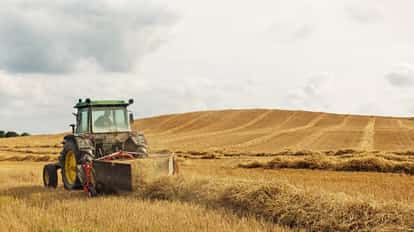
Is Vodka Gluten Free?
Jul 14, 2026
Read more